
I don’t know about you, but I’m at a constant low level of fury about the amount of packaging in the world.
UK households alone throw away approximately 90 billion pieces of plastic waste each year. Imagine if they were all dumped in one place – imagine Wembley filled like a giant bin.
But it’s all well and good being told to ‘buy loose items over packaged ones’ when our local Tesco has backtracked on a lot of their loose fruit and veg offerings. We can no longer buy a single lime or onion or courgette, we have to buy multipacks in their plastic string vests. And sure, there are some products where we can pick the brands with better packaging, but they often cost more, and why should it be on us to pay extra? Supermarkets should be working with their suppliers to improve this.
There’ll also be a correlation between plastic packaging, ultra-processed foods, and obesity that’s probably worth exploring – but that’s a whole other article.
However much of the blame lies in the corporate world, our buying habits are still a part of the problem. There’s several changes we can make as consumers to reduce our plastic waste impact, and the ones below could even save you some money along the way…
1. Buy a Sodastream
This one is mostly for the Pepsi drinkers, like me – I much prefer Pepsi Max to Coca-Cola in terms of taste and company moral value.
I’ve had a mild addiction to fizzy drinks since I was a teenager, and dread to think how many two-litre bottles of Pepsi I got through during uni. But it’s a lot of weight to carry home from your weekly shop, and a lot of plastic waste.
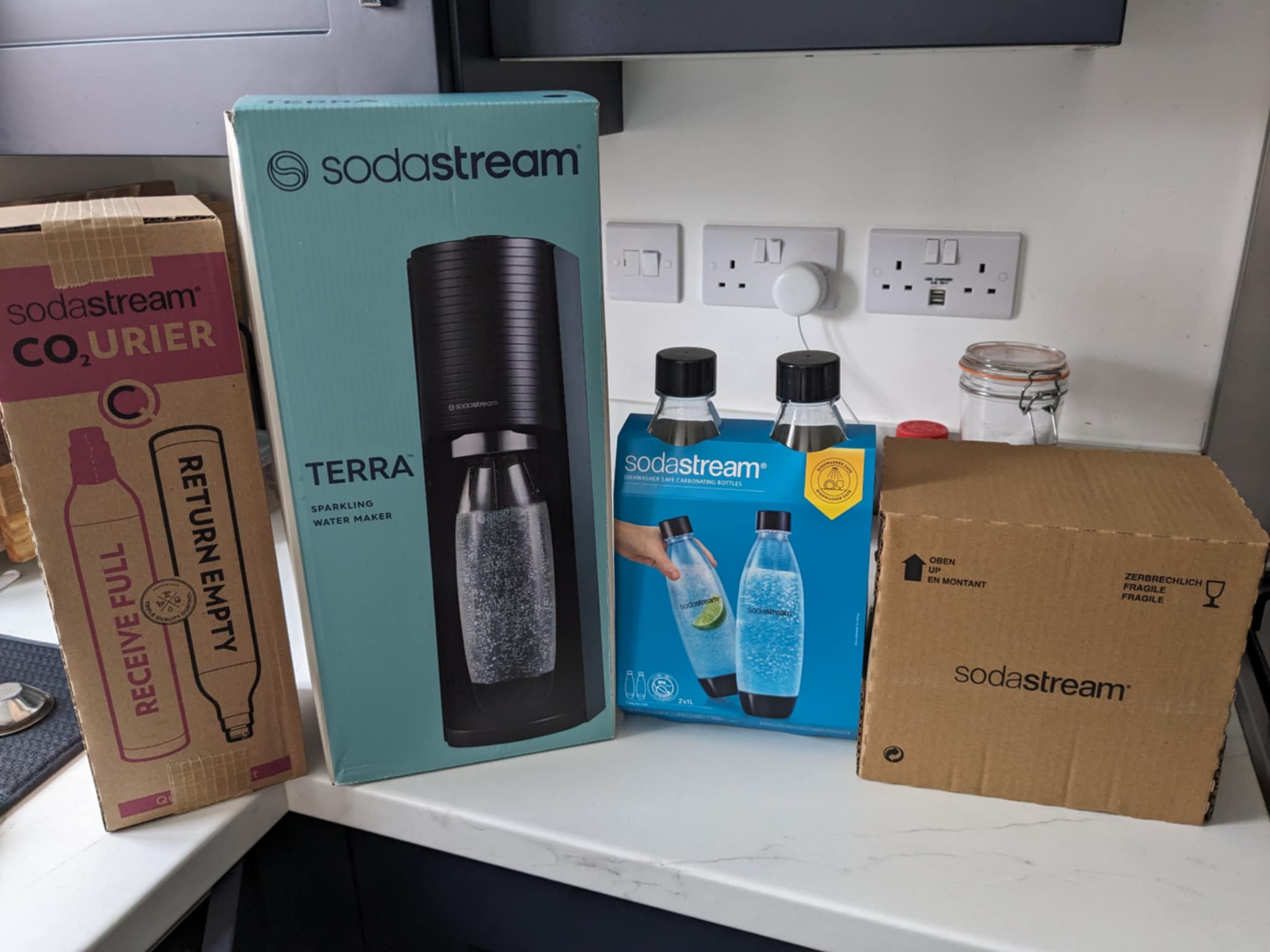
Cue the Sodastream.
When a friend learned we had one, they called it ‘retro’ and said it ‘took them back’. But you know what? It’s great! And when houseguests have said, ‘it just tastes exactly like Pepsi Max!’ it’s because it is. If you’ve ever worked in a bar, you know that soda guns just shoot soda water and mix with the syrup fed through a tube. Sodastream is the same on a domestic scale.
Sodastream reduces plastic waste as you’re not paying a business for the water content in your fizzy drink, which reduces energy costs of transportation and manufacturing, as well as avoiding potential freshwater pollution. A Sodastream syrup bottle is less than half the size of a two-litre bottle of Pepsi, but it contains enough syrup to make up to nine litres.
Sodastream offer other drinks alongside their basic and flavoured Pepsi (yes, they have cherry!). Their own-brand syrups include passionfruit, knock-off Tango, cloudy lemonade, and ginger beer. They also do 7-Up, but we like own-brand diet lemonade which still works out cheaper.
With a Sodastream, you can adjust how fizzy and syrupy you want your drinks to be. You can also make your own syrups, but from experience it takes time to get that wizardry perfected. I think a lot more sugar and sweetener goes into these things than I’d care to know.
It’s a completely electric-free machine, so don’t worry about it taking up any plug sockets, or having to consider electricity costs to make the Pepsi. It’s fun and super quick. Before you know it, you’ll be turning all the water into Pepsi, like a Fizzy Jesus.
Cost
We got the machine free with a year’s subscription of gas canisters. I don’t think this offer’s currently available, so keep an eye out. Alternatively, comment on this blog and I’ll post my 10% off referral code.
However, if you usually buy own-brand fizzy drinks, Sodastream will not work out cheaper for you.
We paid £195 for a bundle with the machine, three one-litre plastic bottles, our first six-pack of Pepsi Max syrup, and (more than) one year’s supply of CO2 canisters. We bought a further five six-packs over the year at £23.96 each, totalling £315 for the year.
Pepsi Max in Tesco is £1.99 per 2-litre bottle (2025), or sometimes £3.25 for 2 on Clubcard. Excluding the setup costs, we bought 324 litres-worth of Sodastream Pepsi for approximately £294 (gas and syrup costs). The same amount at Tesco would’ve cost £322.
Sodastream claims that each gas canister makes up to 60 litres (depending on how fizzy you make your drinks). They sell four canisters for £40. So your syrup and gas costs equate to 60p per litre, or £1.20 per two litres compared to £1.99 in Tesco. It may only seem marginally cheaper (depending on your consumption), but when you also consider the reductions in product and packaging waste…
The gas canisters can be recycled too – Sodastream offers £5 credit for each canister returned via Yodel, or you can take them to a Lakeland or Sainsbury’s. The syrups are easiest (and cheapest) to buy direct from the Sodastream website (free delivery), but you can also find them in Sainsbury’s and The Range.
2. Consider meat weight and value
Don’t worry, I’m not going to tell you not to eat meat (although that is another great way to reduce the packaging and carbon footprint…). But you can be more savvy with your meat shop.
It’s better to buy a larger cut of meat than it is to buy pre-cut. That’s sort of always been known – you’re paying for the convenience, your time back. However, I recently had a ridiculous instance of this.
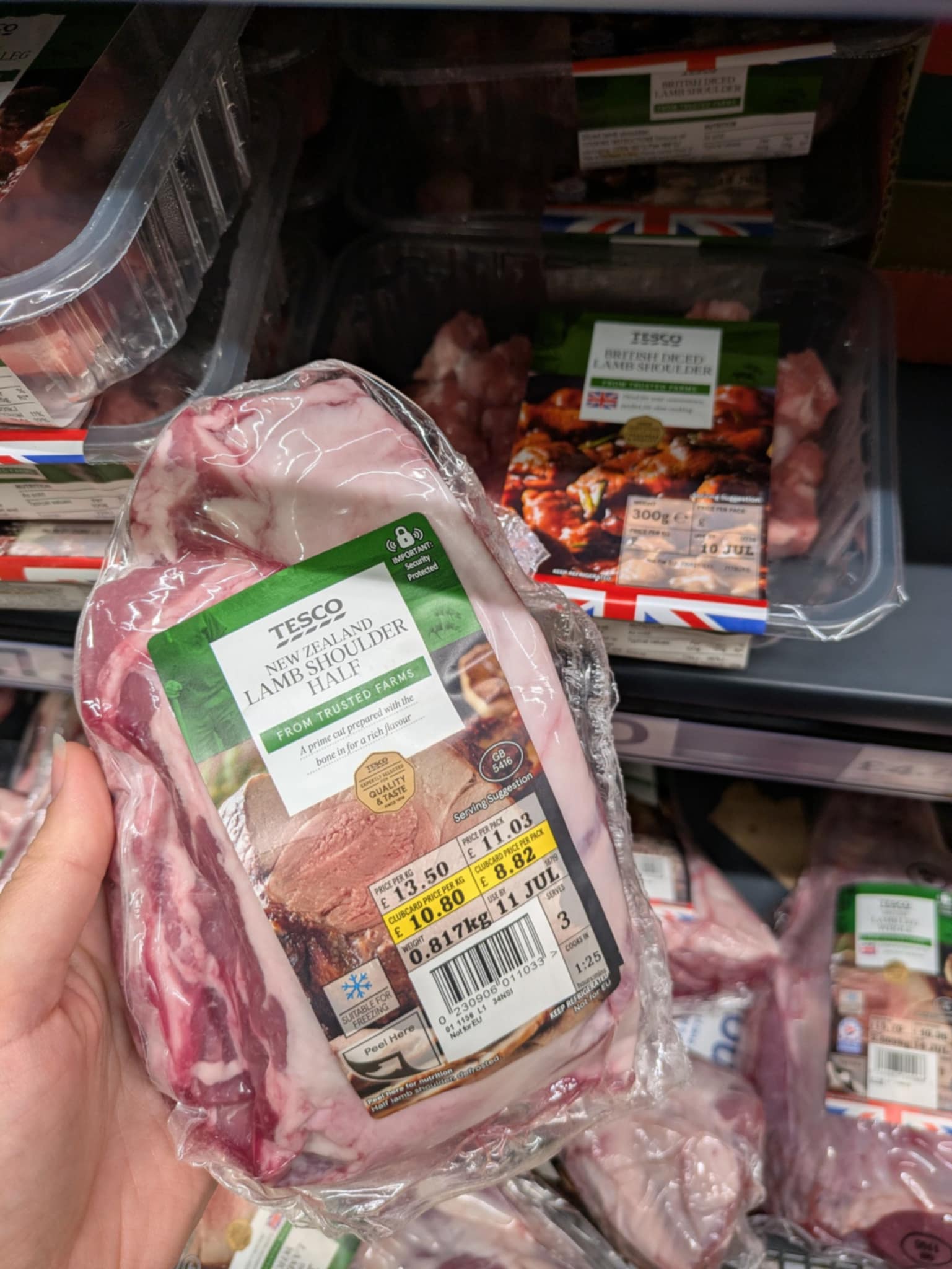
We wanted to cook a tagine, but were conscious that lamb is one of the more expensive meats. Two packs of pre-cut lamb shoulder would’ve cost us £12.60 for 600g. Instead, we bought an 800g joint of the same cut of meat for £8.80.
It took five minutes to cut it to similar sized chunks, and meant we not only got more for our money and spent less, but also reduced the plastic from two trays, their film, and the weird soggy napkins at the bottom, to just the one vacuum pack.
You can probably apply this to other food groups too – pre-prepared side dishes like herby potatoes will cost you more than buying the ingredients individually, and you’ll have far less of them.
If you shop with Morrisons or a butcher, you can also reduce plastic waste by taking your own reusable packaging to the meat counter. If you give them your Tupperware, they’ll weigh it and remove it from the weight of the meat.
(For real though, cutting back on meat – not necessarily cutting it out entirely – is a great way to reduce plastic waste (and many other wastes and carbon costs). Veggie food has come a long way – give it a go, even just one meal a week).
3. Buy a water filter
I never used to drink water. Growing up in a place with really soft water, I hated the taste and could only stomach it with cordial, or I’d just drink fizzy drinks (see point 1).
But then I bought a knock-off Brita filter from Wilko (RIP), and it was literally life-changing. Turns out I didn’t hate the taste of water – just what was in it.
I drink infinitely more now that it’s always cool and better-tasting. I’m rarely without a glass of water to-hand, and it’s part of my routine to fill my metal bottle from the filter basically any time we go out.
I highly recommend getting a water filter if you don’t like the taste of regular tap water, or you only like it chilled. Then there’s actually very little need in the UK to buy bottled water, unless you’re in an unexpected situation or on holiday.
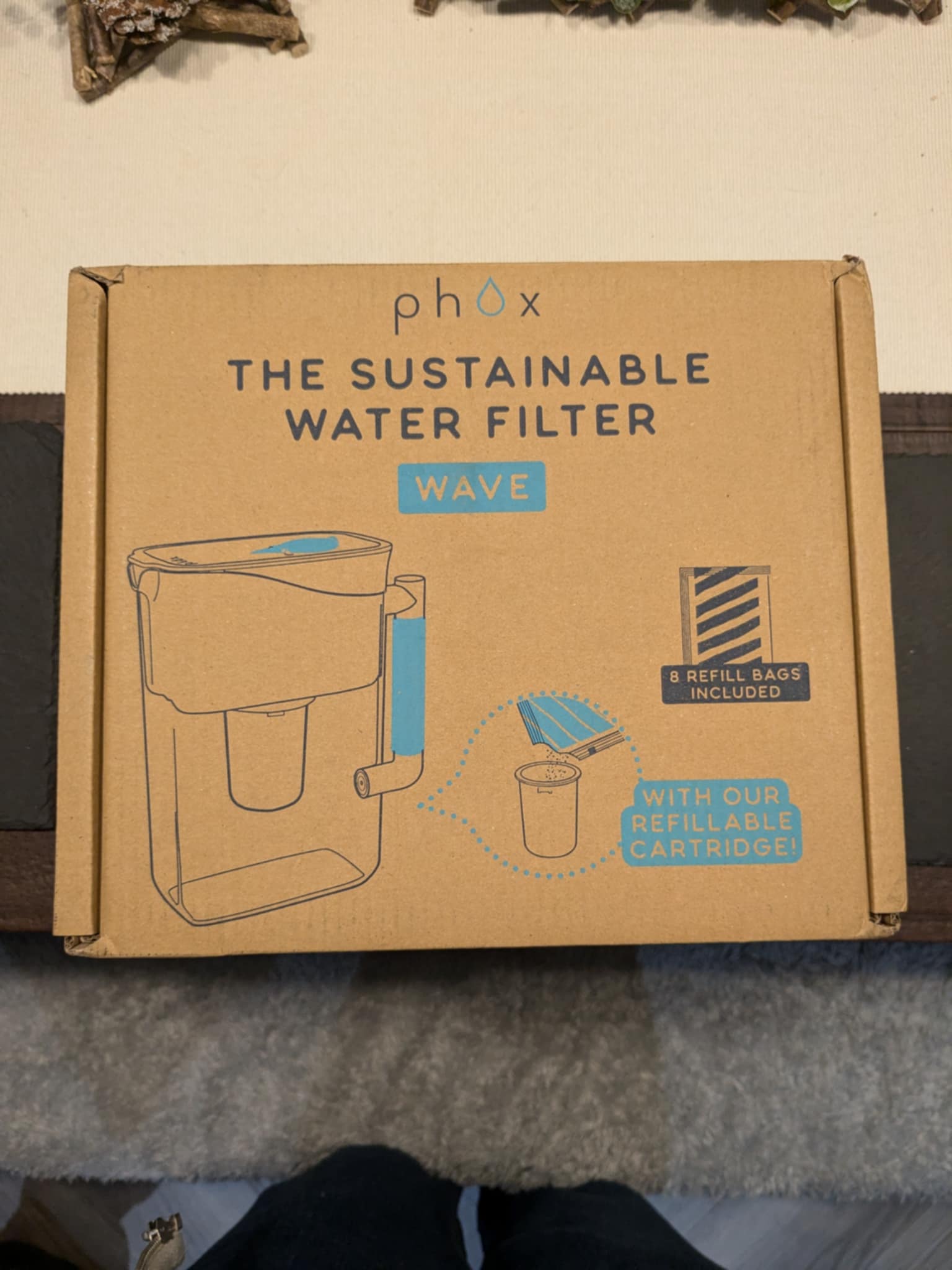
We use Phox to further reduce plastic waste (they do filter cartridge refills instead of single-use plastic filters, which come in paper packaging). They offer a choice of filter pack depending on what type of water you have in your area (there’s a map on their website if you’re unsure). The filters remove lead, copper and chlorine from tap water, which may be important to you, as there have been several scares around tap water contaminants in recent years.
We paid £61.50 for our water jug and enough cartridge refills to last us for a year. For reference, Tesco’s cheapest two-litre bottle of water is 75p, but that equates to significantly more packaging than a home water filter, and you haven’t (literally) got it on tap. If you only drank bottled water and stuck to the recommended 2.7 litres of water each day for an adult (female) human, you’re paying £370 for a year of water. £473 for the guys.
Suddenly, £61.50 doesn’t seem so bad!
4. Freeze fresh herbs
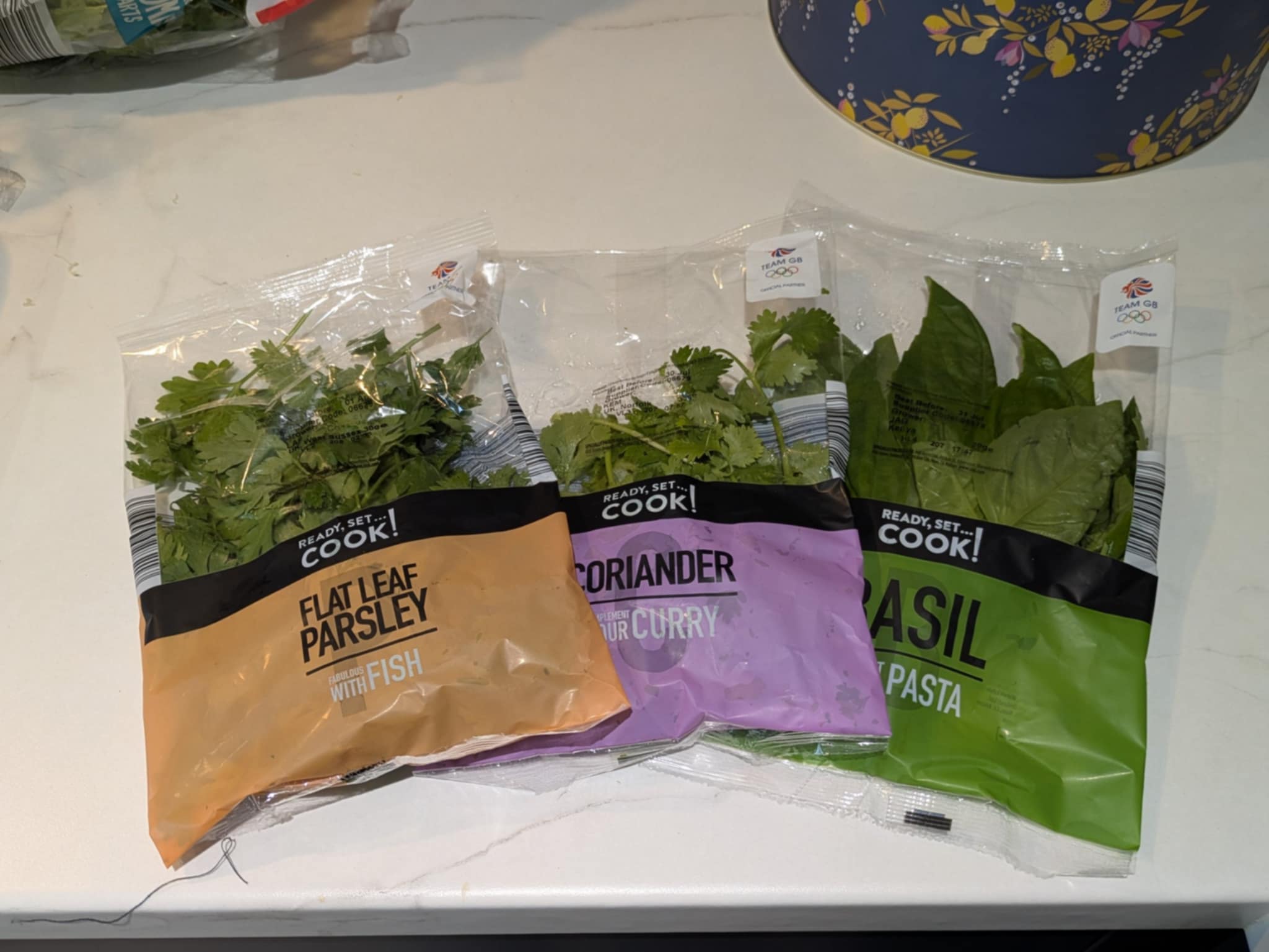
It’s hard to stop buying fresh herbs when you’re as into your food as we are. They can really make a dish. But we haven’t gotten around to planting our own in the garden, and haven’t got the time to care for them. But bagged herbs go off so quickly, and I feel guilty adding food waste on top of wasting all those crappy soft plastics sleeves they come in.
What we’ve learned to do (and it’s very much a learning process to remember to do it), is chop them up and freeze them once we’ve used what we need in the meals we’d planned. We’ll still buy more fresh herbs when a recipe calls for it – can’t have tacos or banh mi without fresh coriander – but then we chop up the remainder and freeze it, which is perfect for adding to sauces for other meals.
This will save you pennies, but it’s the waste reduction here, as well as not having to deal with the brown goop trauma in the bottom of your veg drawer from a long-forgotten bag of greens.
5. Switch to refillable cleaning and beauty products
This is another tip that tackles both water content and plastic waste.
Refill products often still come in plastic packaging, but these are soft pouches with hard pourers, which are more difficult to recycle than standard PET bottles.
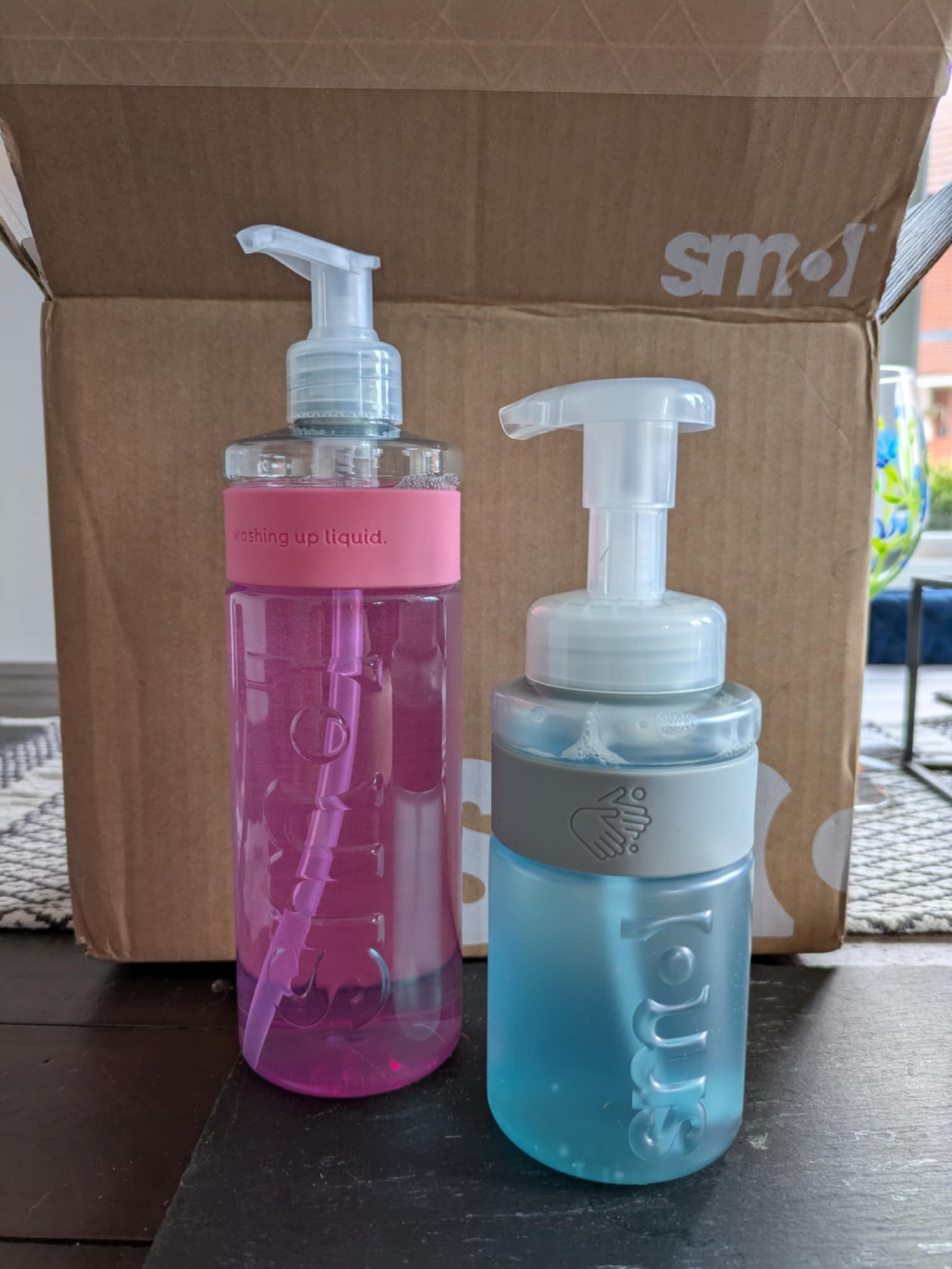
However, some companies now sell tablets or concentrated formulas that you dilute at home to create products like hand soaps and cleaning sprays. This means you’re buying a much smaller product, usually in paper packaging, for the same price or less than buying a new bottle every time.
I’ve been testing Smol’s foaming hand soap, which costs an initial £3 for the foaming bottle and your first tablet, and then £10.50 for a pack of six tablets – so £1.75 per 300ml “bottle”.
Okay, so this works out more expensive than the average bottle of Carex or Palmolive, but if you’ve been buying the more ‘luxury’ brands like Baylis & Harding, you’ll be saving 50p or so per bottle. Plus foam soap is fun. Plus much less plastic.
With these sorts of products, it’s worth researching how much it would cost you versus what you’re doing now. Some will be more expensive, others may be comparable in price but more morally aligned to you. And then it’s worth testing them to see if they work as well as they say before committing to switching over.
These days, you can buy either concentrated or liquid refills for your shampoo, conditioner, shower gel, deodorant, fabric conditioner, cleaning products, soap, and more. You can usually find these in your local zero waste shop, via several online retailers such as Smol, Wild, and Purdy and Figg, or even some high street brands like The Body Shop.
You could also try bars for hair and body care, but it’s not for everyone – check out my review of shampoo bars to see why.
I’m also currently researching an article for the Smol products I’ve tried, so watch this space!
6. Bulk buy
Buying more may sound like the opposite of reducing plastic, but if you buy, for example, 24 toilet rolls as one pack rather than six packs of four, there’s less surface area of plastic wrap. And with that sort of stuff, as long as you have the storage space, you know you’ll get through it all!
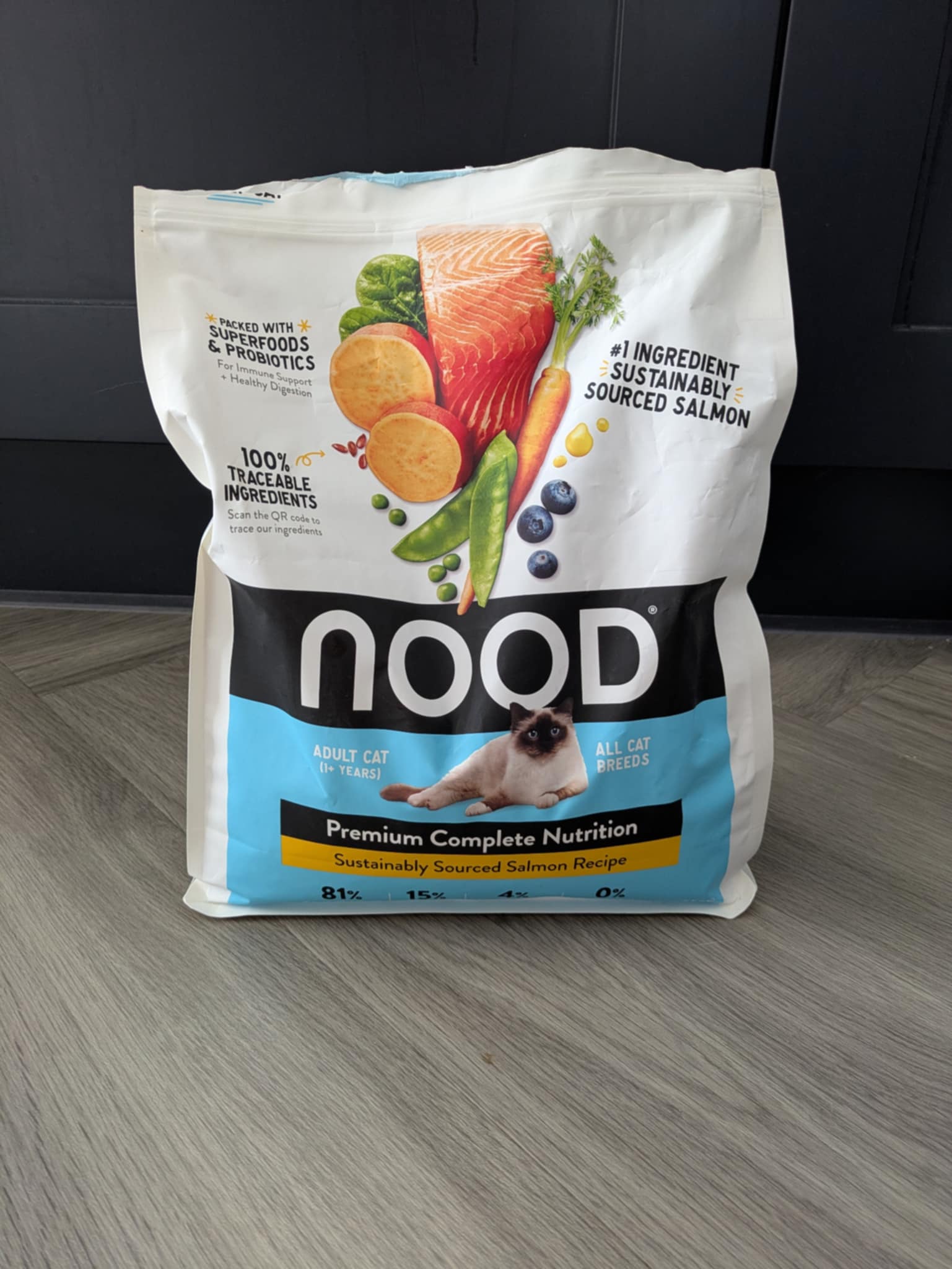
And that’s the catch – make sure you would get through the things you bulk buy before they go off, otherwise you’re creating more waste. Same goes for things like cat food. You’ll also find that you pay more upfront but save money overall. Companies reward buying more in the short-term.
For example, a 3kg bag of Nood kitty kibble costs £13 (£4.33 per kg) in Tesco (2025), whereas the 800g bag is £4.50 (£5.62 per kg). So buying four 800g bags (3.2kg) would cost you £18 – or £5 more for an extra 200 grams than if you’d bought the £13 bag.
These are just some of the ways we can reduce plastic waste in our homes and retain a bit more of our money in an ever more expensive world. The big companies may not be doing enough to address the issues, but at least there are still some changes that we consumers can take into our own hands.
The answer is often ‘what parts of this product can we make ourselves?’, combined with a sprinkle of savviness, and that all-important slowing down to consider what we’re buying. My last post looked at things we no longer need to buy if we slow down and take the time to prep, which will further reduce some of your household waste.
Hope these tips come in handy!
 Ecoetry