When my parents last came over, dad inspected my gardening efforts. He took one look at the marigolds and said, “well that needs deadheading”. He pulled a crispy flower off the plant and said gleefully, “there’ll be hundreds of seeds in this one head!”
I let him take it. But it triggered something – how had I not thought to collect seeds from our plants rather than buy them each year? I already felt guilty never getting through a whole packet of seeds, and now I realise I’ve technically been wasting two batches each time!
That got me thinking about other things we already have but never think to reuse. We’ve been conditioned to buy new or hire people in when we need something, and in the process lost a lot of the skills that got us here as a species in the first place. Marketing is full of ‘to-go’ or ‘ready-made’ taglines as we’re urged to cram as much as possible into our lives, being kept busy so that we keep up our eye cream subscriptions and health supplements and time-saving treats to make us feel a bit better during the burnout.
All of this has led to the forgotten art of slowing down – the joy in preparation.
Separately, I also find that most ‘reuse’ or ‘repurpose’ lists are full of one-off type solutions, like ‘make old socks into dusters’, which is great, but how many duster sock puppets do you need before you still have too many old socks? Or too many dusters?
Anyway, with just a little prep, here are five things you don’t really have to buy anymore. These may be completely obvious to some, but for us poor children of the internet, we’re learning the hard way…
1. Garden seeds
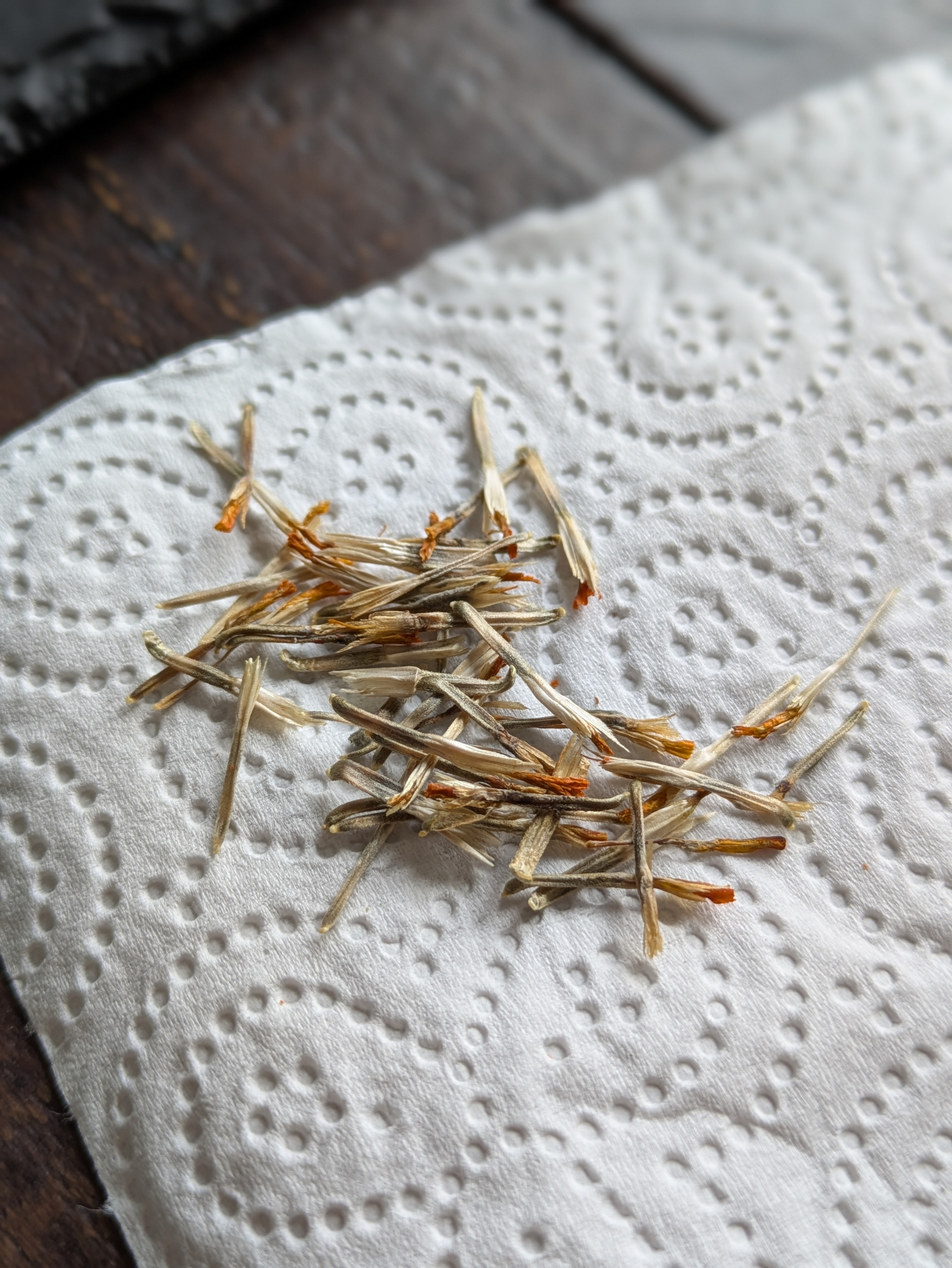
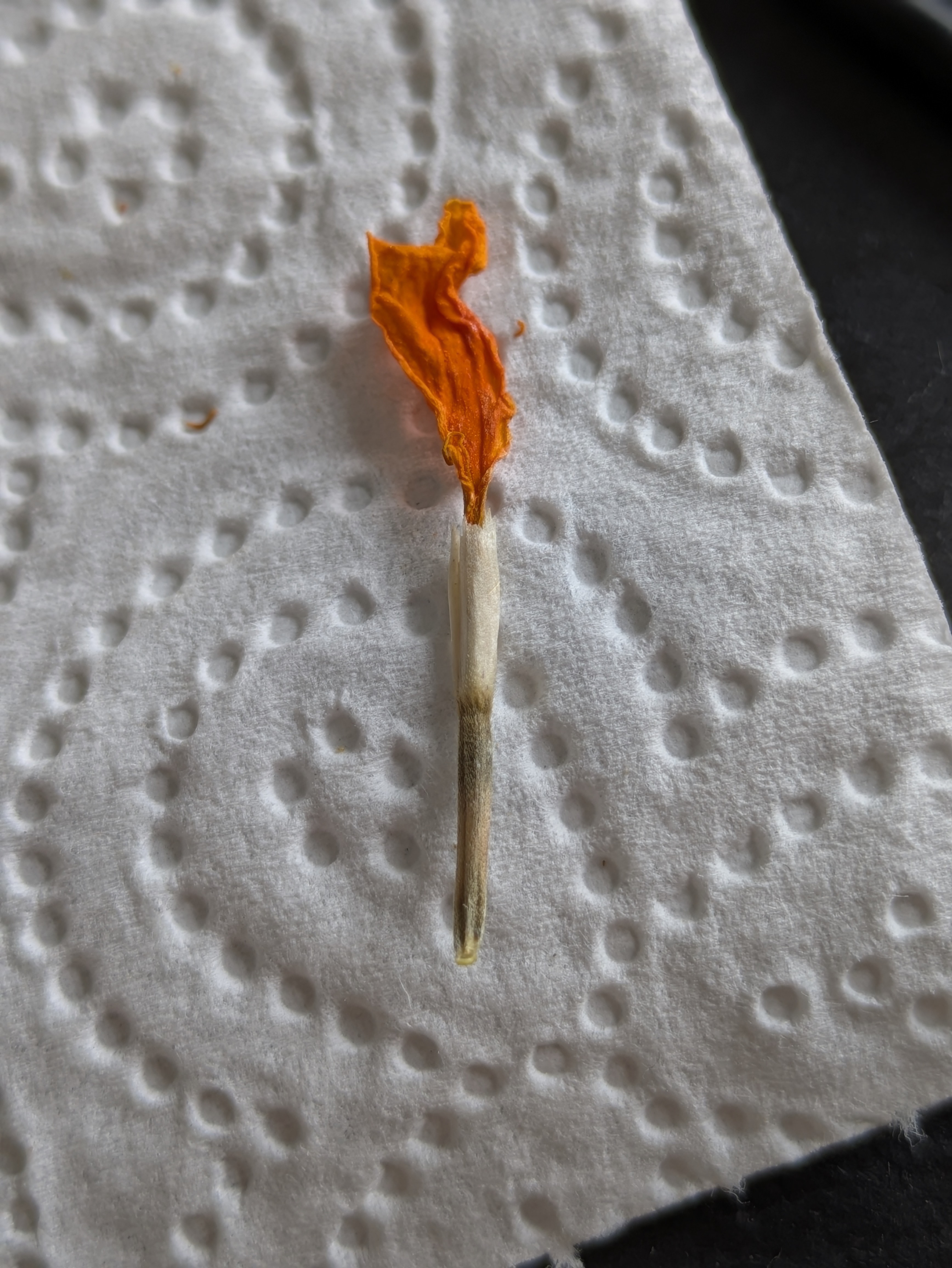
If there’s a particular flower you always enjoy having in your garden, save the seeds.
Sure, it takes a little time to separate, dry out, and store the seeds, but it’s so much more rewarding when they grow next year! I’ve also found this quite a meditative process. It’s super interesting to see how the plant is structured – you won’t look at a flower the same again! Hello again, GCSE Biology! It makes you really appreciate how cool and beautiful nature is. Plus it smells nice while you’re harvesting.
If you wanted to use even more of the flower, you could save the petals to add to potpourri or a fancy bath, or as garnish (with the right flower) to your Michelin-level home cooking.
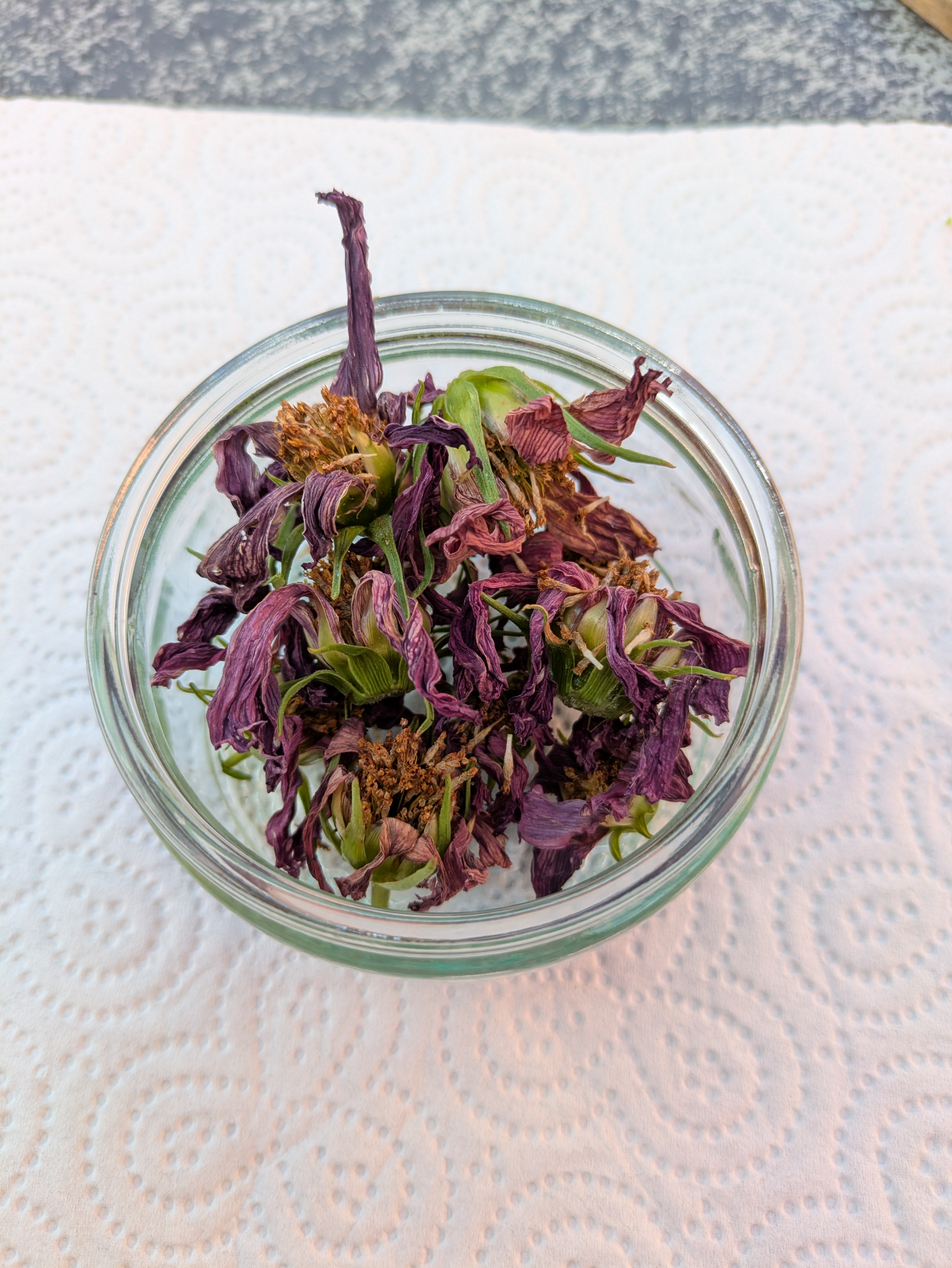
I saved marigold and cosmos seeds this year. There’s some great advice online on knowing when to harvest the seeds, depending on the flower you’re working with. For example, you need to wait for the cosmos centres to go completely dry and brown before deadheading, not just wait for the petals to wither.
If you have multiple colours of your flower, you can either keep these seeds separate, or play God and mix them up to encourage new colour variations.
Of course, this isn’t just applicable to flowers. If you grow veg, you can save seeds from crops like peppers and tomatoes, or save whole peas to dry out and plant again next year. You can also take clippings from house plants if they’re doing a little too well, and before you know it your whole house will be overrun with plants, like the film Evolution…
My main problem with prepping seeds is the sheer quantity I now have. I’m hoping to organise seed swaps with friends, family, and neighbours, or give them as part of gift hampers. Maybe I could sprinkle the remainder on boring roadside verges like a little flower fairy…
2. Croutons (and stock)
If you like soup and salad, stop buying croutons. Shop-bought croutons are like eating crusty, dusty cardboard, or if already submerged in your soup, soggy cardboard left outside by your Evri driver. They’re a disgrace to the name ‘crouton’. You’ve very much been missing out.
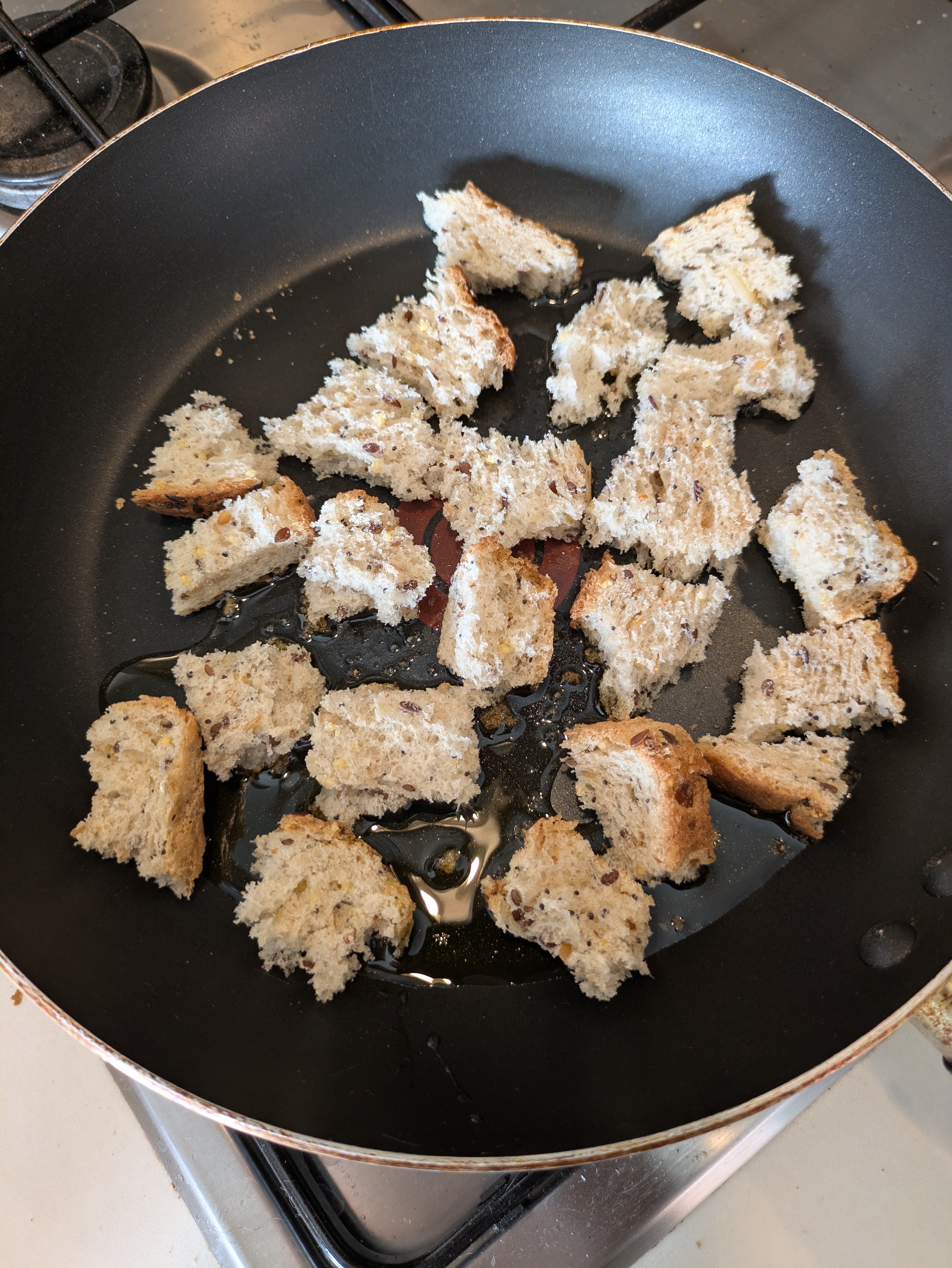
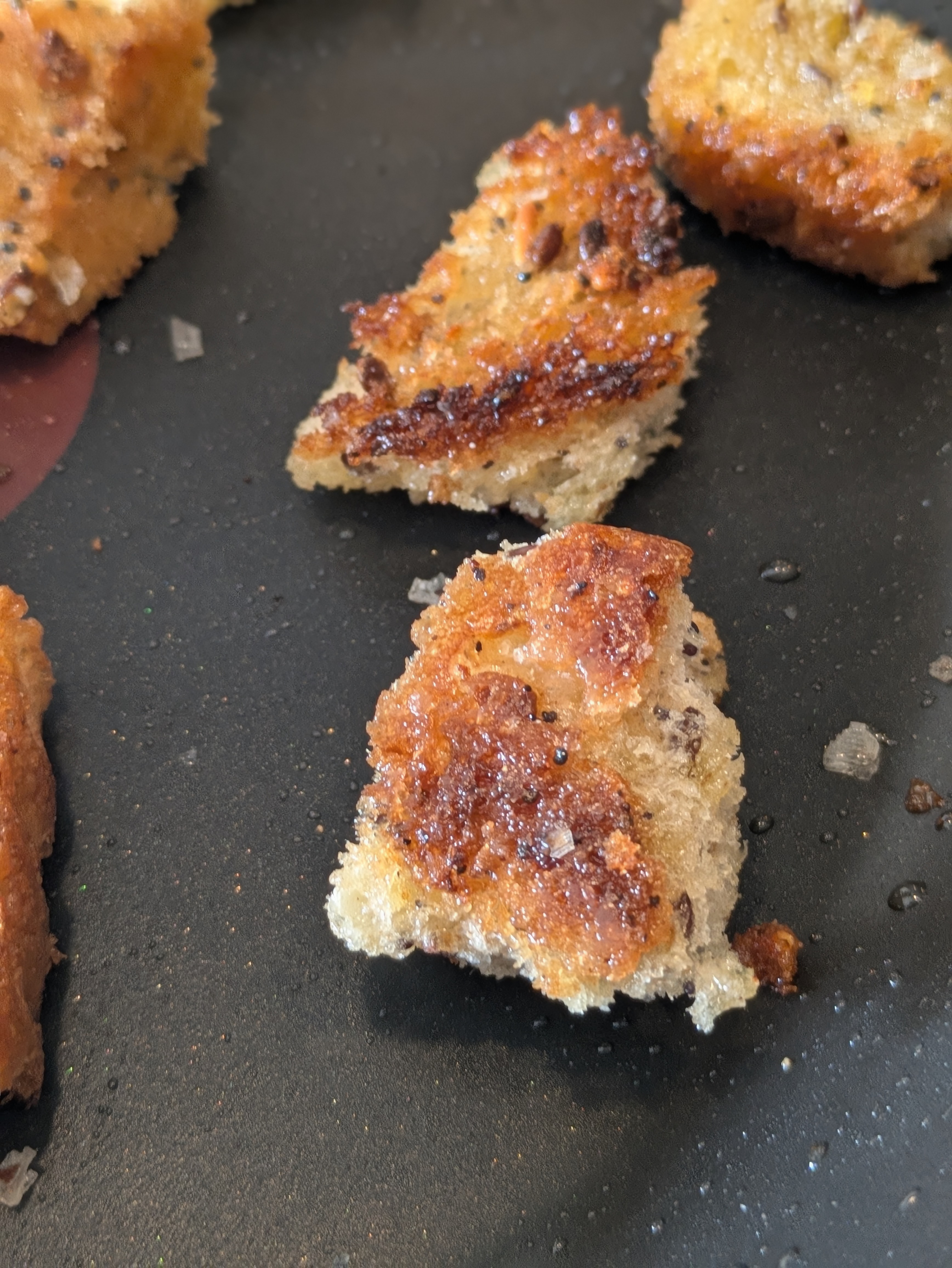
If you always have a loaf of bread in the house, you’ll either likely not get through it before it goes off, or always have the ends left. Stale bread makes amazing croutons, with just a little help from the holy trinity – olive oil, salt, and pepper. They take as long as it takes to microwave your soup or make your salad, so there’s no excuse.
Pro tip – we keep our bread in the fridge. If you’re only using it for toast anyway, this just means your bread lasts way longer. It doesn’t affect the great toasty texture. This will also stop those delicious croutonable bread bits from going mouldy.
Stock is more of a pain in the butt to make, granted. But if you’re willing to try and have room in your freezer, save your vegetable waste (potato peelings, carrot tops, spring onion greens, the lot), and any chicken carcasses from your Sunday roasts. Then just boil the stuff!
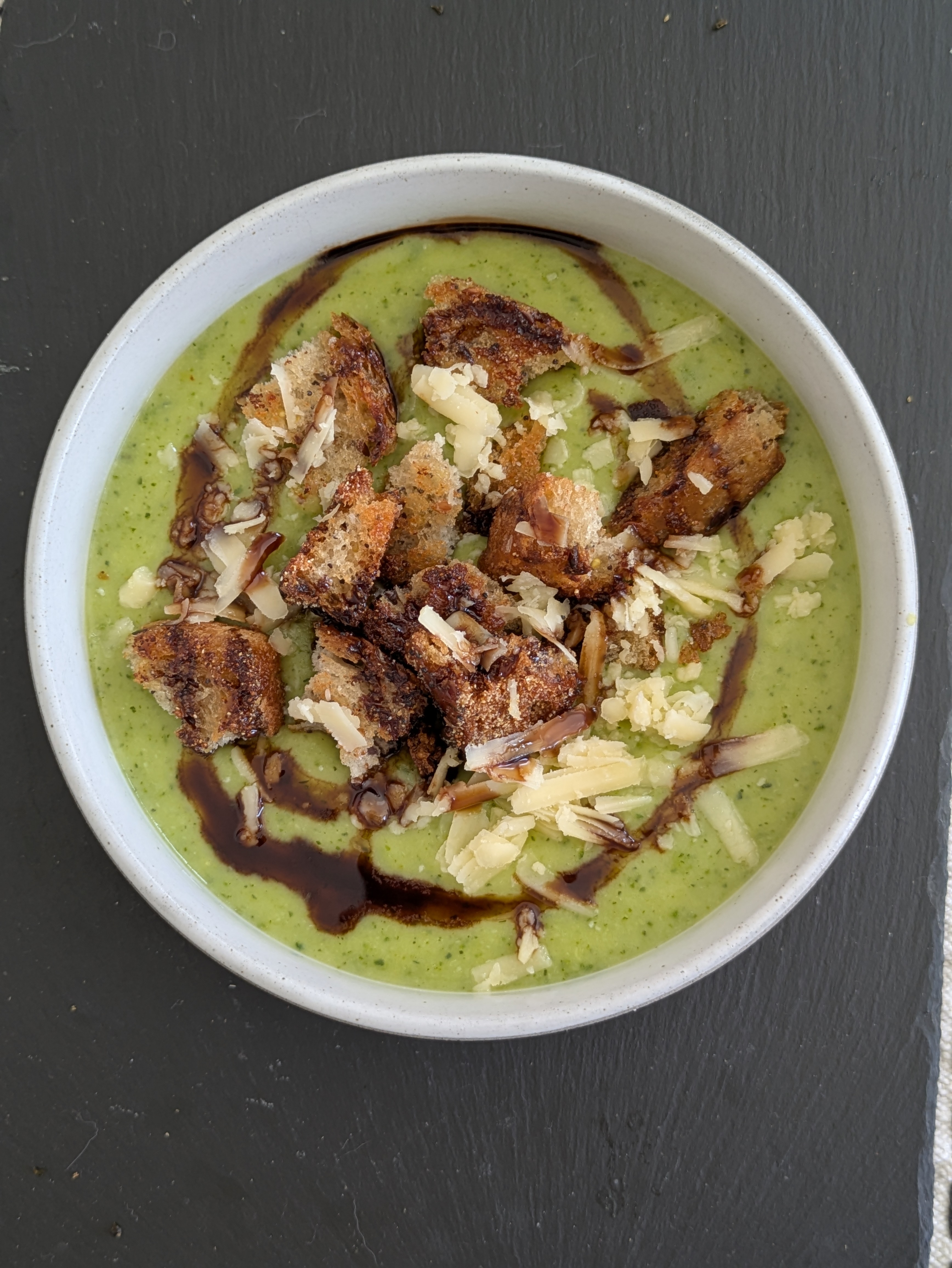
And homemade soup tastes so much better if you have the time. Depending on the recipe, it doesn’t take long to make either. Pictured below is a homemade courgette, potato and cheddar soup that took about half an hour and made four large lunch portions.
3. Mulch
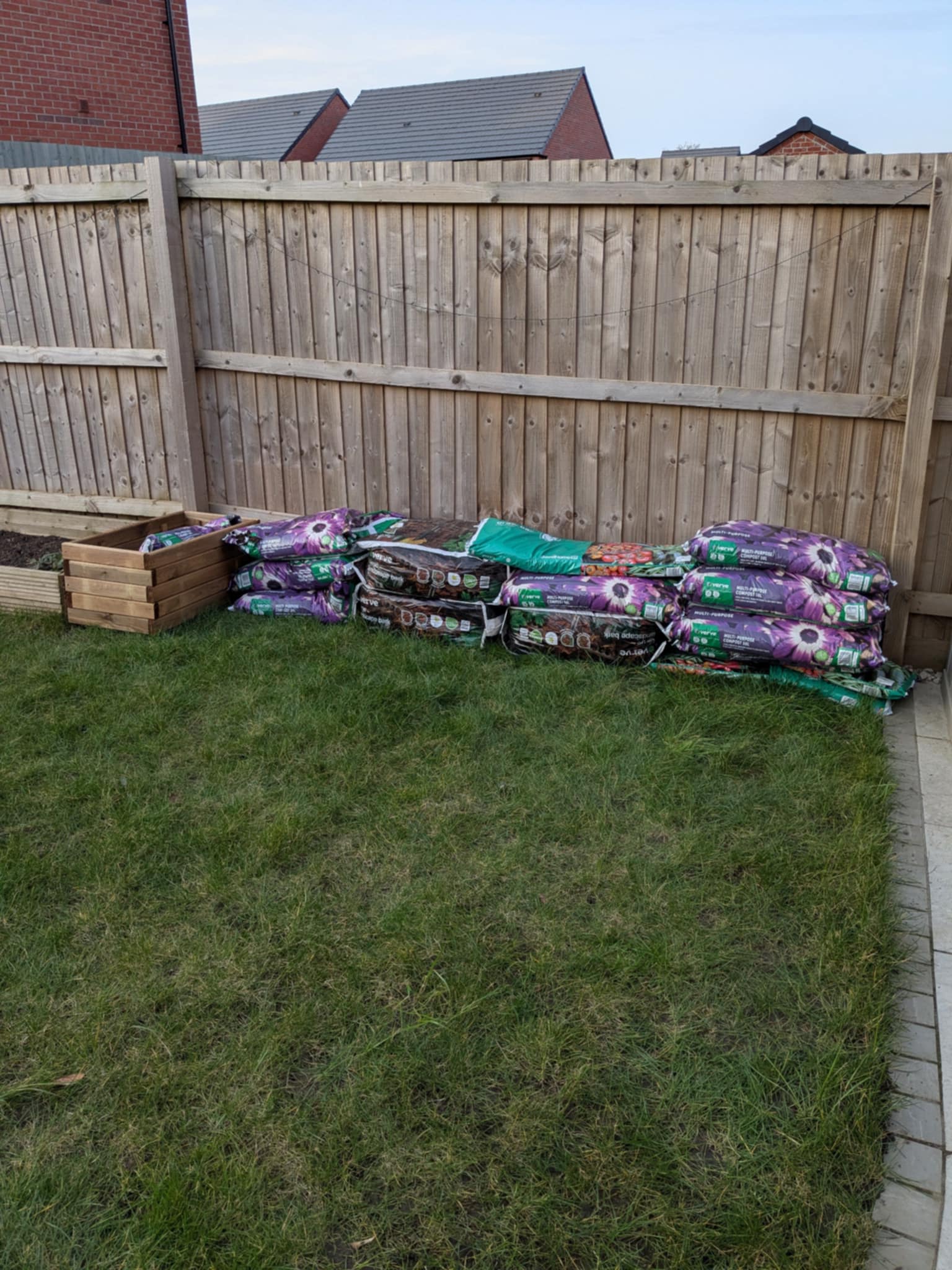
It always struck me as odd, buying bags of compost. We’re paying for dirt? The dirt that used to be freely available under the shops I’m buying it from?
Well, if you have a lawn, at least you can somewhat avoid having to buy mulch. When you’ve mowed, keep your grass cuttings to one side to dry out before spreading around your plants. It’s great for preventing weeds in beds and good for soil health. Similarly, you can use coffee grounds and spent barbecue charcoal to jazz up your soil nutrients.
Of course, compost is the other big one. You have all the materials at home to make your own, between your food scraps and cardboard delivery boxes. It’ll take time, and don’t expect landscaping quantities of dirt, but with some love and care, it’ll make a great supplement for your pots and a thriving hub for insects.
4. Cloches
If you’re into growing veg in your garden, you’ll know there’s a hairy point in early spring where your babies want to be outside, but kept warm. That doesn’t necessarily gel with British weather. So I looked into buying cloches – the fancy things that go over posh people’s dinners, but for gardens – and oh my god they’re expensive! For one glorified plastic bowl, I was looking at around £16?! No thanks.
Instead, when we finished a 2-litre bottle of lemonade, I cut off the top with the cap and shoved it upside down over my pepper plants. This seemed to do the trick – they still got the sun they needed and were established in the beds I wanted them in long-term, without being subject to surprise frosts.
You can also save airtight spice jars for putting all your seeds that you collected from my first tip! And bigger jars for all that stock you made from the second!
5. Gu pots
What came first, egg whites or yolks?
We’re quite foodie in this house, and several recipes only require one component of an egg. We quite often make carbonara (no cream and proper pancetta), which uses several egg yolks and a whole load of parmesan. So what do we do with all the leftover egg whites?
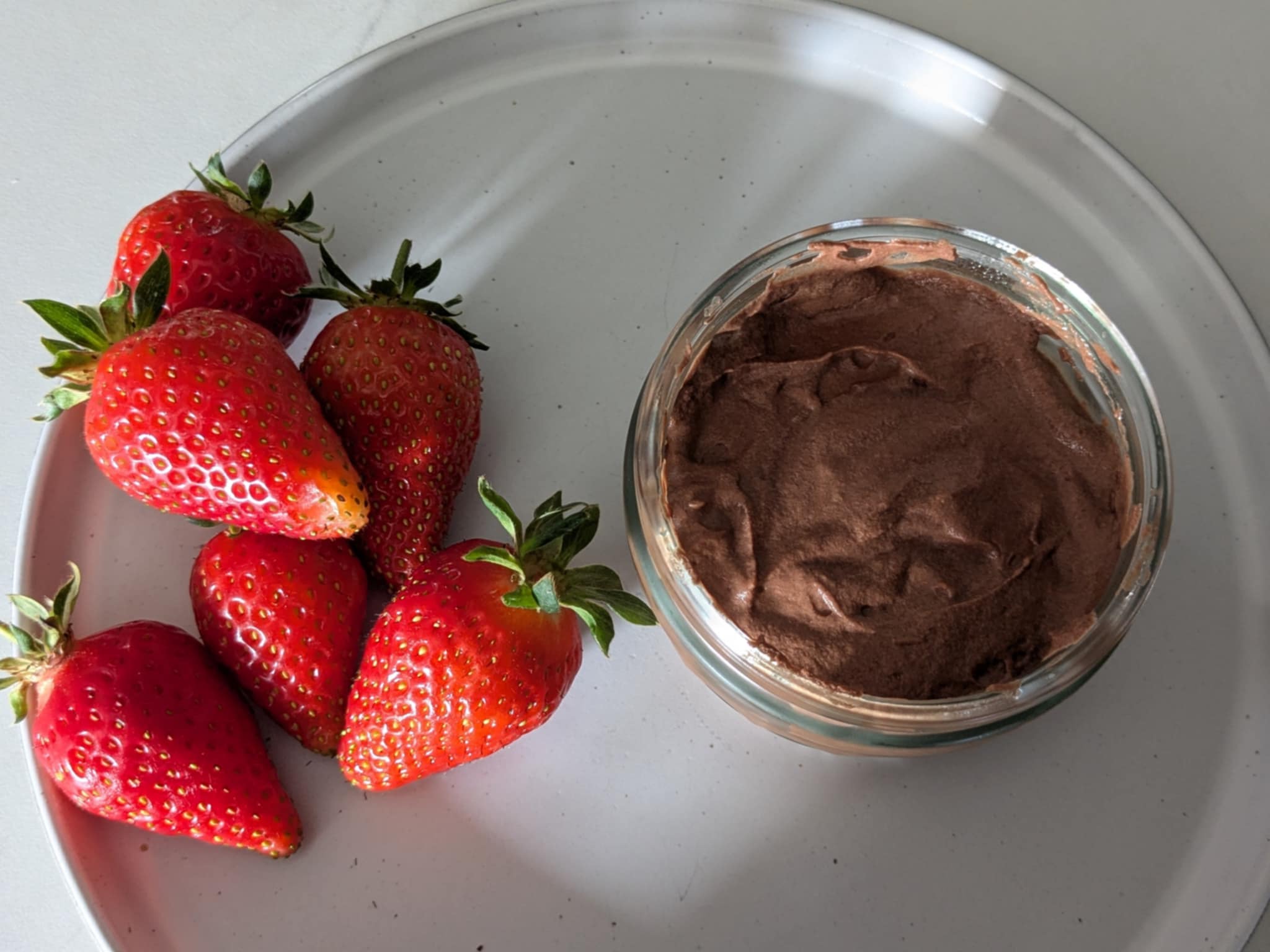
The typical answer is to make meringue. But that can be effort, especially with the baking and having to whip cream, plus I’m not always in the mood for a meringue. But I am always in the mood for chocolate. This quick chocolate mousse is my favourite find.
It’s a minimal ingredient recipe. Chances are you have some lemon juice and caster sugar in the cupboards, so all you need is chocolate. It takes no time to make, and I’m betting that you already have plenty of Gu pots to put them in. I’d say this is actually comparable to a Gu mousse, at a fraction of the price. Then you’ll have dinner and dessert!
Another option is to make amaretto sours and other cocktails that use egg whites, which is another great addition to pasta night.
On the flip side, if we decided to make a dessert or cocktail that only requires egg whites, we save the yolks for a carbonara, or if we’re feeling really brave and bougie, try making our own mayonnaise or crème brûlée.
I also recently learned (while researching this post, in fact) that egg whites can be frozen for later use. Just thinking back to all those waste-reducing cocktails we’ve chugged back over the years, oh no!
And then there’s the parmesan. Loads goes in a carbonara, and extra goes on it. Once you get closer to the rind, the shavings taste a bit gross. We save them up and add them into our spag bol sauce while it’s simmering, which will melt any remaining cheese and effuse flavour from the rind, adding an extra dimension to the sauce. Just remember to fish out what’s left before serving!

Bonus item: Art
I guess this one isn’t technically self-sustaining like the rest, but I wanted to include it anyway.
If you’ve just moved house and bought a bunch of tester pots of paint, you have some nice paints to play with! It’s easy to think “well we’re not using that paint” and just bin it, but it’s still paint?
All the shades you were considering will match your chosen wall colour, so you could create a nice piece of art to complement it. Or else, with some carefully placed tarpaulin, you could set up your very own splatter room, or recreate the paint balloon popping from The Princess Diaries.
Similarly, wallpaper testers make great notebook coverings or gift wrap, and tile samples can be used as trivets, mosaic material, or coasters. Everything still has a use, if you use your imagination!
 Ecoetry
One thought on “The lost art of preparation: 5 items you already have and don’t need to buy again”