Ugh, I’ve got to download another app.
They tell you it’s dead easy, but they don’t consider that you’ve had to download twenty other buggers for every car park and pub along the way.
In fact, it seems everything from restaurants to TV shows have an app now. And for some, this is just another unnecessary barrier between you and their product. Surely there has to be a better use for this tech?
I decided to seek out apps for good – ones with actual, worthwhile purpose that would enhance my life rather than hinder it – with a sustainability twist, of course.
So here are the ones I won’t be uninstalling any time soon.
1. Seek
Enjoy Pokémon Go? Well you’ll love Seek. Your walking buddy however, will hate it for making every walk ten times slower while you’re going, “oooo, shiny! Look at this funky plant, wonder what it could be” every few steps.
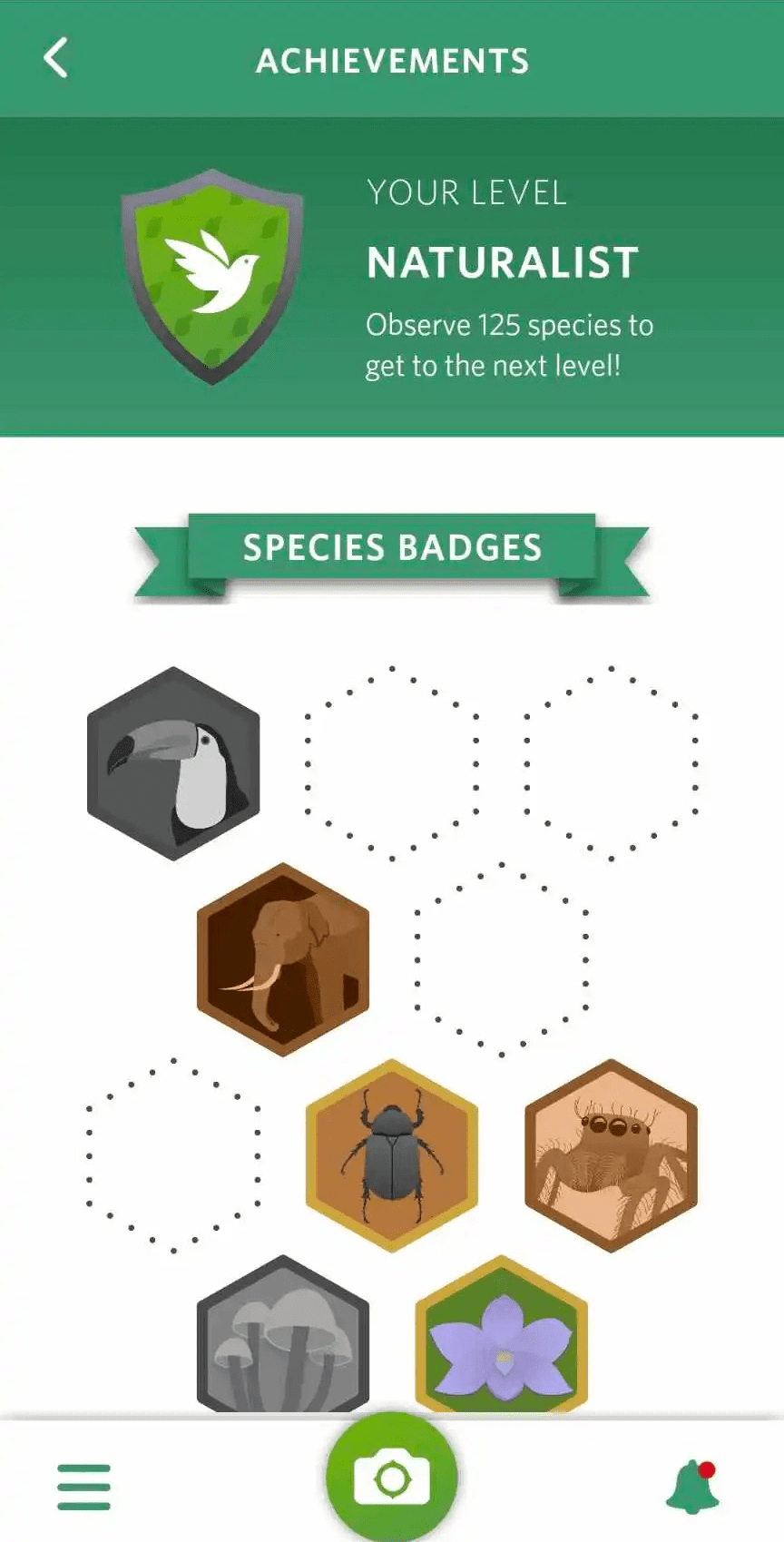
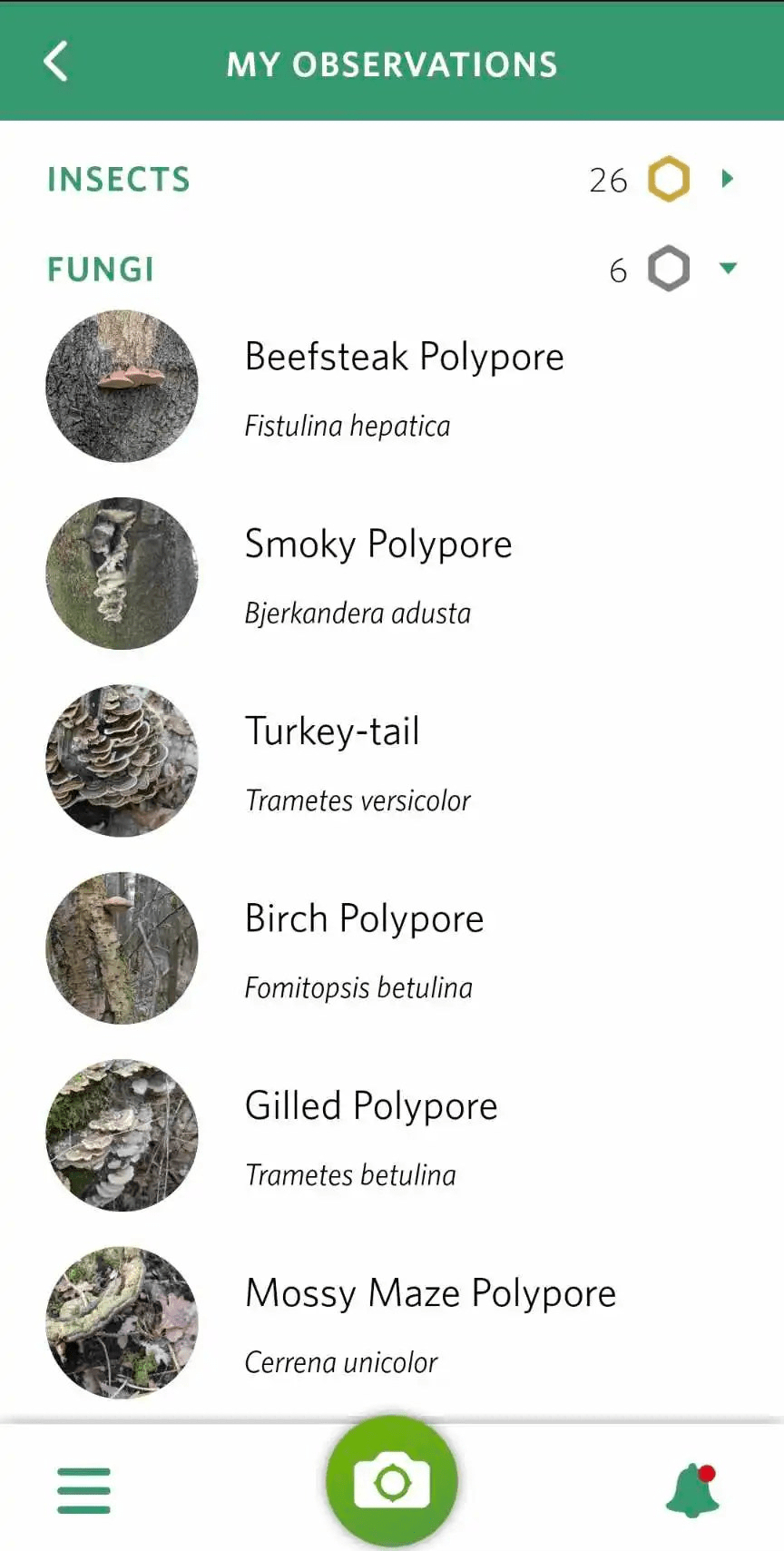
Created by iNaturalist, Seek awards you with badges for the number of species you identify. So if like me you’re a collection perfectionist in videogames, you’re going to examine every damp tree stump you stumble upon to discover 15 types of fungi for your golden badge of validation.
And if you’re also a language nerd like me, you’ll enjoy some of the wicked flora and fungi names. Where else will you comes across the likes of Meadow Salsify or Witch’s Butter?
Sure, it’s not always totally accurate (it once told me a broken tree trunk was a Eurasian beaver and my curled up cat a domestic guinea pig), but it usually gets you at least in the right ballpark/genus, and any photos of species you can’t identify can be posted to the iNaturalist community. It’s a great way of getting to know your local ecosystem, and for total identification novices like me, it’s an absolute godsend.
Good luck trying to get those blasted birds to sit still long enough to be identified, though. That’s where my first bonus app comes in:
Bonus app: Merlin
Developed by Cornell University (which means it has to be good), Merlin is a bird identification app with three ways of identifying a species: by photo, by a quiz about its features, or by recording its song.
The app name is apt – this is pure magic. I’ve had such a high hit rate with this app that often it’ll tell me what birds I’m hearing before I’ve even see them. Both seeing and recording the birds gives the best idea of which species is messing with you.
These two apps are great for brightening your mental health, and I bet they’d be great for phone-age kids to learn about their local wildlife too. There’s been plenty of studies on the positive connection between nature and reduced stress, and these apps really help you focus on the details of the world around you.
Then there’s the very real joy of applying what you’ve learned from these apps without their aid. I now mentally yell gorse! when we drive past a line of it near our house and it makes me as happy as those little yellow flowers swaying in our slipstream.
2. Trash Nothing
I’ve never not been able to get rid of something via Trash Nothing. Whenever Facebook Marketplace lets me down and I just want something gone, I have something broken or poor quality that I can’t bear to throw away, or even just parts of something left, it’s going on there.
This app makes you look at materials and parts of things in a whole new light – is there something someone could do with this? Could someone be in need of a random part or have the right skills to upcycle it? The result is a person getting something they want or need, and you feeling happier having decluttered while wasted less. Win win!
You can also put out calls for items you want – if you’re looking to make old pallets into garden furniture, or are lacking packaging for moving house, just ask. It’s perfect for students who are moving and leaving behind loads of essentials, or have just moved and are in need of them. Olio may also be good for this, but I’ve personally had more luck with Trash Nothing.
Also, the kind of people you find on this app seem a bit more… normal than Marketplace, and you’re less likely to get scammed because everything’s going for free.
Bonus app: Vinted
Vinted was a slow burner for me as it took weeks to make a sale. I still haven’t bought anything through the app (pretty good going if you ask me!) but selling stuff has gotten a bit addictive and made me have a good, hard think about what I actually wear. This meant selling lovely items I’d kept hold of just in case. Yep. We’ve all been there.
I still take clothes to charity shops when I don’t think they’re worth the time packaging and sending off, but I’ve made £40 from eight items so far, and it’s good to know other people will love them like I did. Plus there’s now more space in my wardrobe to fit some second-hand finds…


3. Impact Score
It’s ridiculously difficult to make informed, conscious decisions when buying – who has time to read every single label and compare every single product in the supermarket, let alone research brands and their parent companies and supply chains and ingredient origins and manufacturing processes? Literally no-one.
That’s where Impact Score comes in. I’ve wanted something like this for so long, and although it doesn’t meet all of my criteria, it’s a good starting point, and the developers are constantly looking to expand their database.
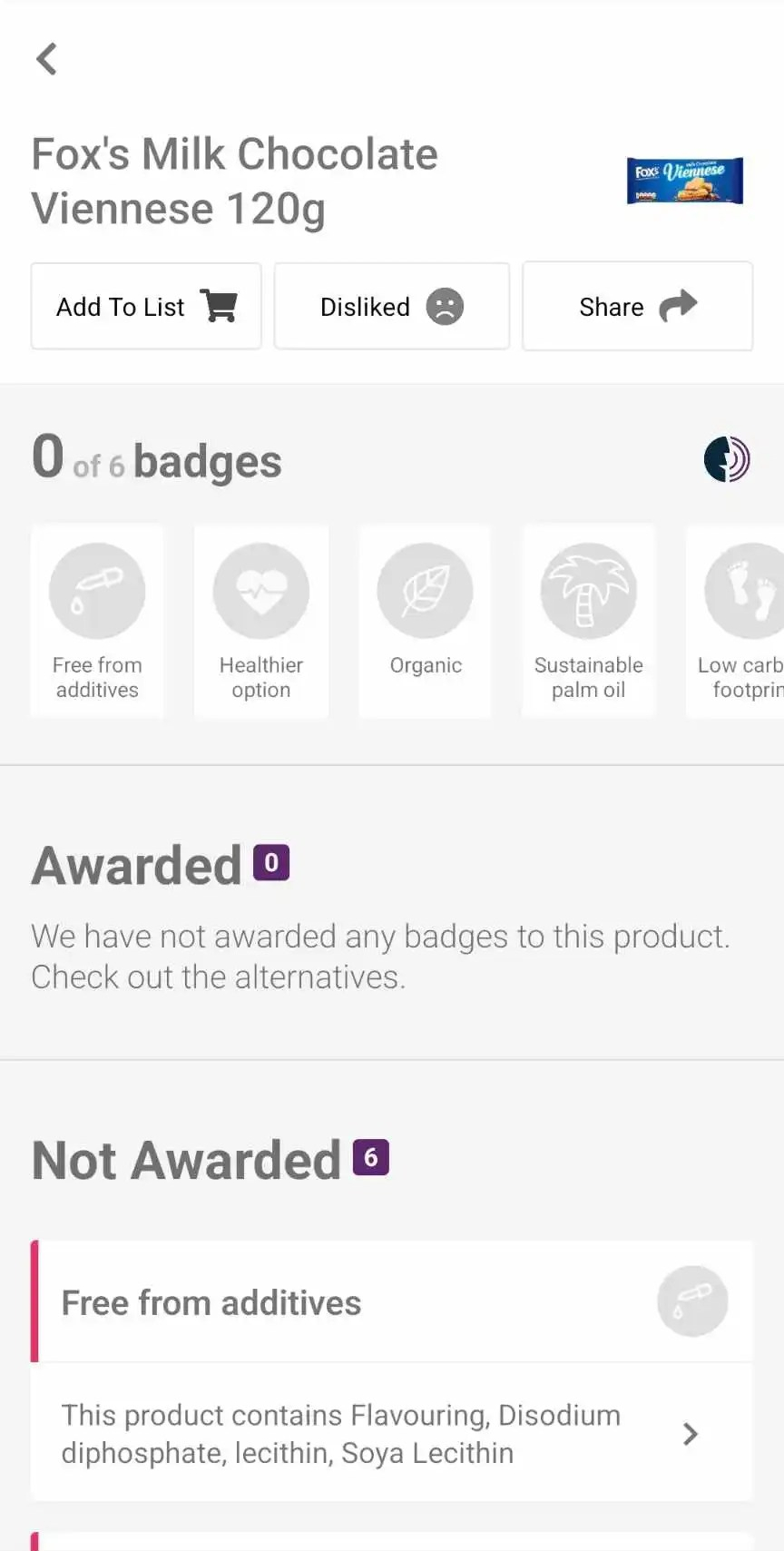
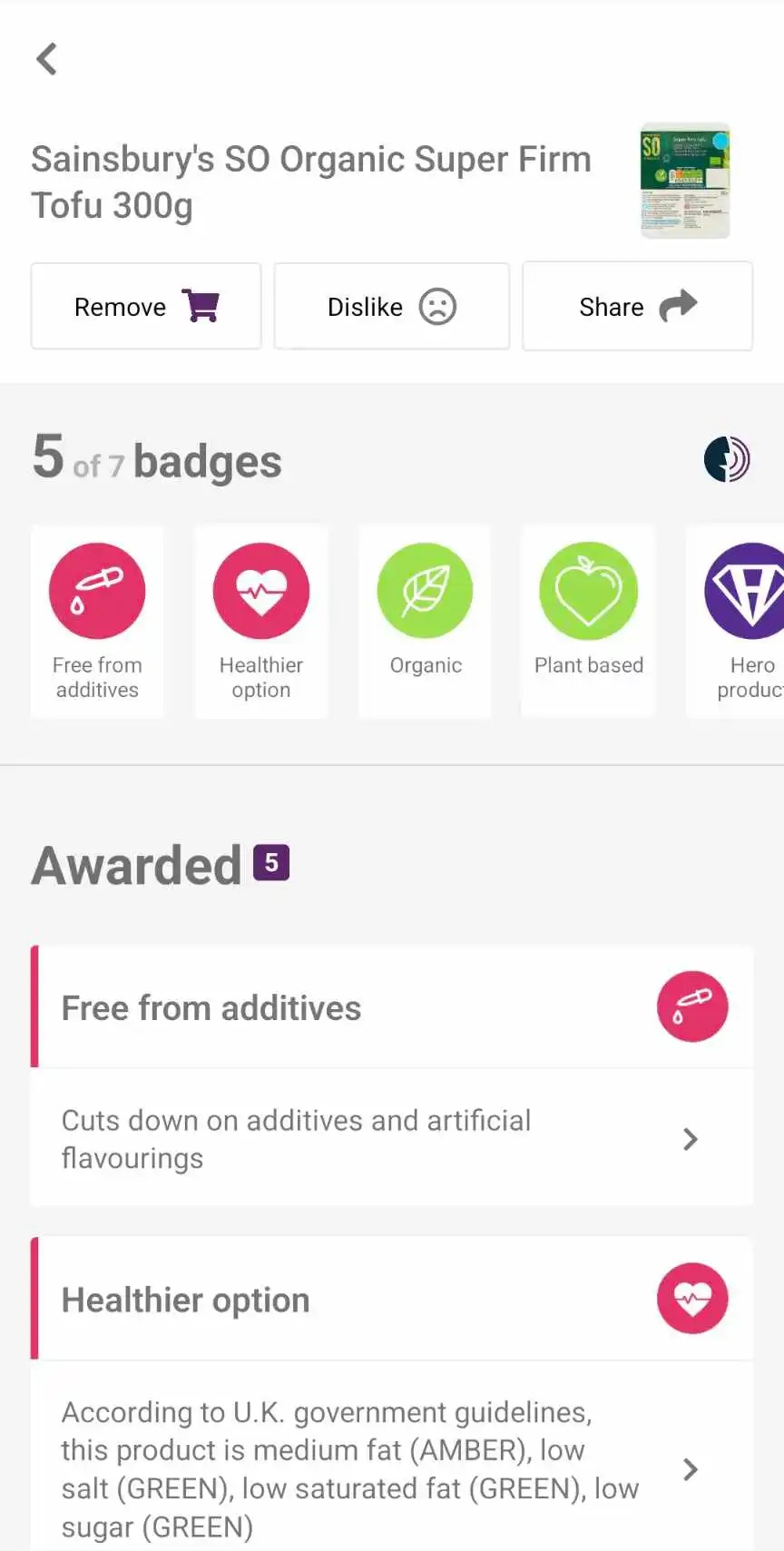
Scan the barcode of your food products and toiletries, and the app will give you a rating (or prompt to fill in a quick request form if they haven’t rated it yet). Everything from packaging, use of palm oil, health risks and more are considered, and then a list of alternative products are suggested if the product comes back as ‘could be better’.
You can then dislike, add to lists, and share items from there, building up a database of your own often-used products. I’m actually having a lot of fun scanning everything in my kitchen and gasping whenever a product turns out to be a villain (looking at you, you palm oil-filled Fox’s biscuits, you!).
The main thing I wish they’d add in is the impact of the brand itself, not just the product. Like, surely it’s never good to recommend Nestle?
However, you can’t take all ratings on face value – some products won’t receive badges because the app doesn’t have enough data about it, or it will say a product is bad because it has high amounts of fat – but you’ve just scanned double cream, what did you expect? We also scanned Sainsbury’s and Tesco’s versions of organic tofu, and they were rated against a different number of badges… so you’ll have to use a bit of deduction and common sense here. Regardless, it can still help you make more conscious decisions about what you’re buying.
4. SuperCook
Getting tired of finding squidgy veg at the bottom of the drawer, I tried all sorts of inventory management apps in the hopes that one would remind me what food we have in and when to use it by. Unfortunately, none of the free ones I tried were up to scratch. So I settled on trying SuperCook instead.
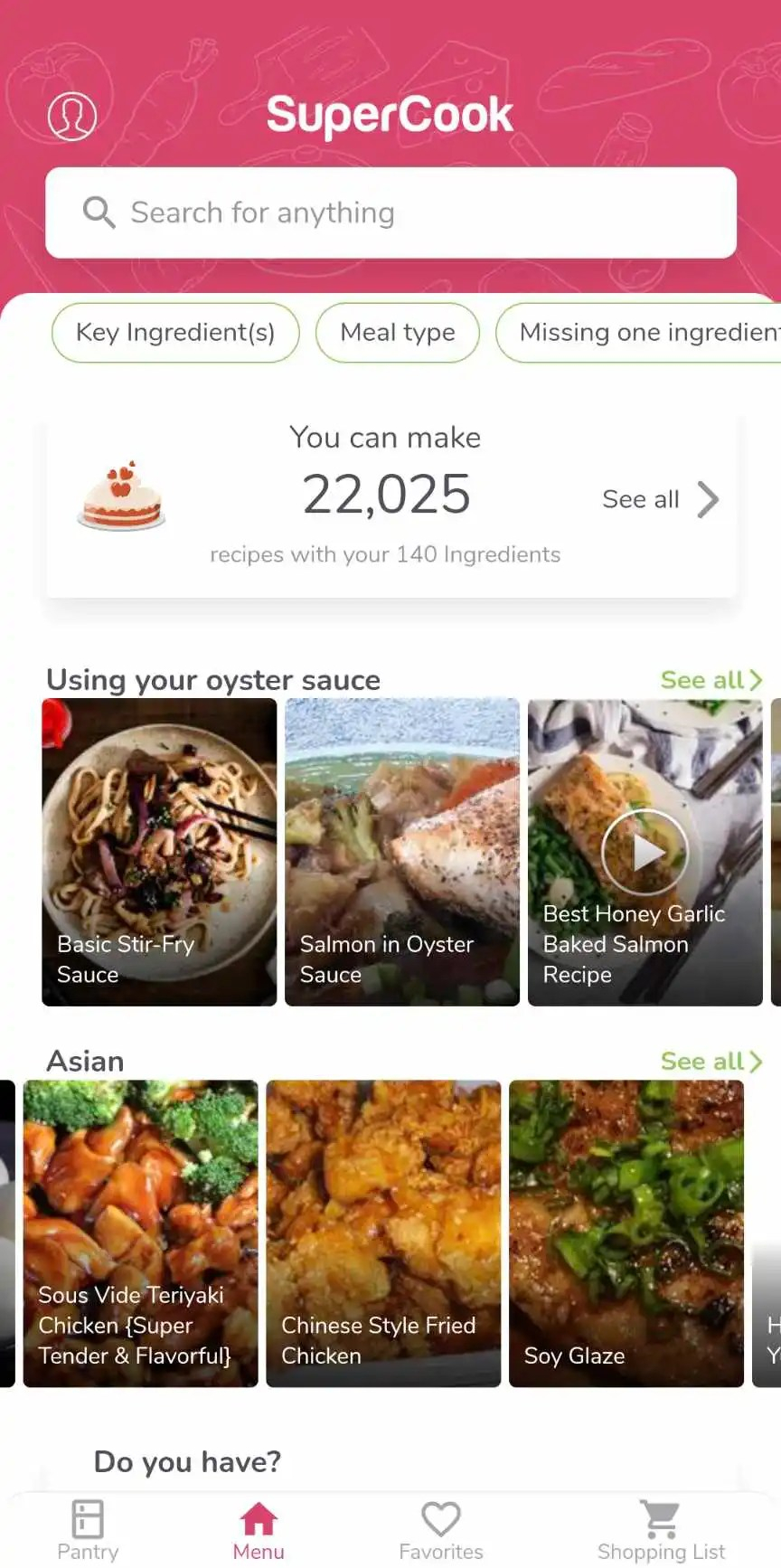
This AI-powered app takes the ingredients you input and spits out thousands of recipes from across the internet that you could make with them. This is a great way to save money, try new recipes, and most importantly, avoid food waste. Who’d have guessed we had 22,000 dish possibilities with all the forgotten things in our cupboards and fridge?!
Even just browsing what’s possible with your inventory is great inspiration – I’d never have thought to try salmon with an espresso rub, or a maple, miso and Dijon sauce.
The app lets you filter by key ingredient, type of dish, dietary requirements, and even ‘missing one ingredient’, so you can pop to the local shop for that final thing. You can also favourite recipes and create shopping lists, making it a one-stop shop for your meal planning.
Bonus app: Too good to go
Surplus food in the hospitality industry is a big problem. But imagine how hard it is to anticipate the number of customers and what they’ll buy when trying to balance out your weekly food order.
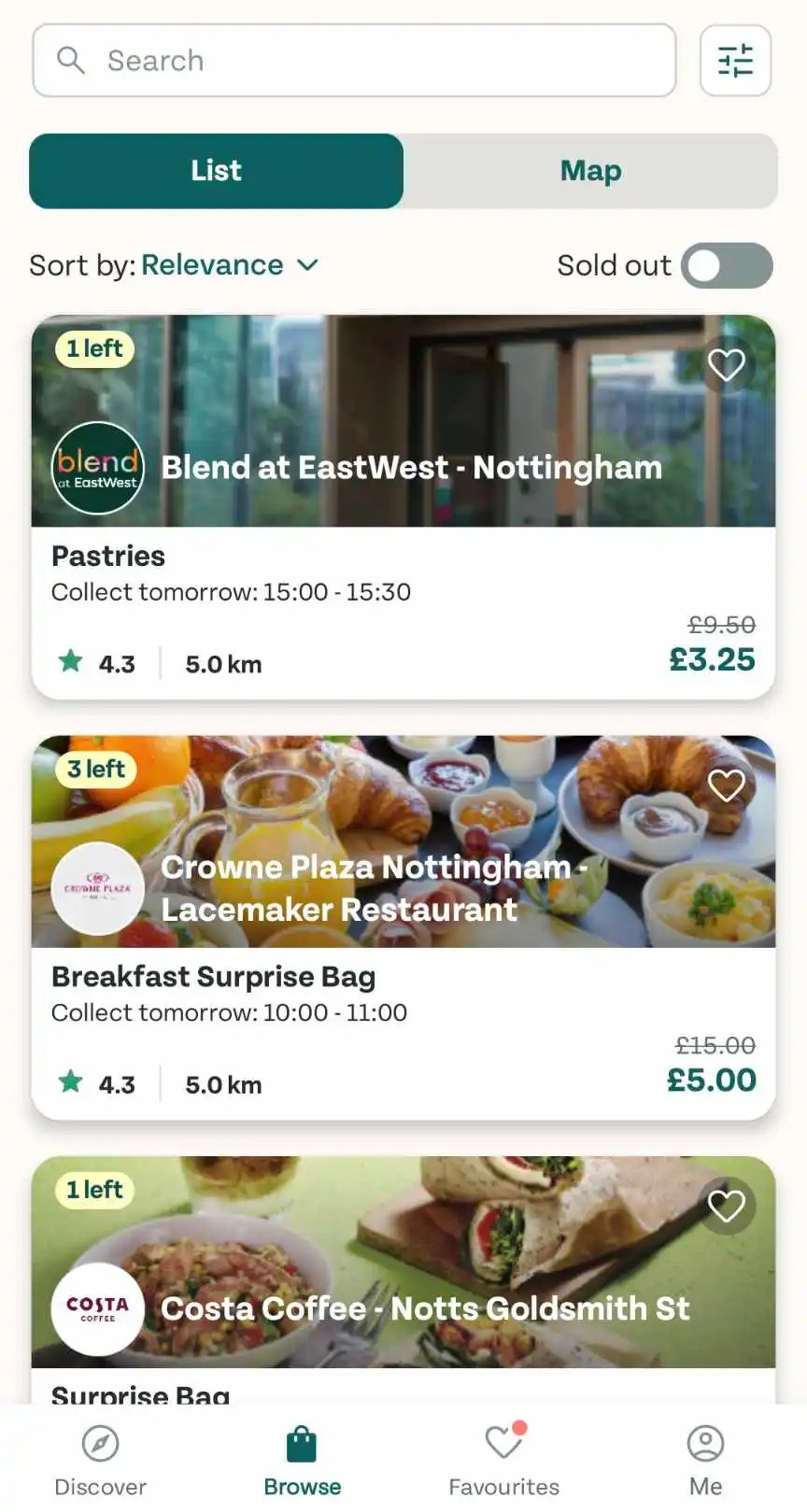
Too good to go takes the reduced section of your supermarket and extends it to restaurants and cafes. The only catch is, you won’t necessarily know what’s available until you’ve paid and picked it up. They call them ‘surprise bags’. There’s a great video doing the rounds of a terrible (or brilliant, depending on your diet) surprise bag moment…
But you can get some great bargains here – cheap cakes from your favourite cafe, trays of sushi, or even a full grocery shop for the cost of a latte. You can also donate to Foodshare through the app, but it also dawned on me that you could pick up a surprise bag and give out items to people living on the streets, if you were so inclined.
Bonus app 2: Season
Part of the issue with food sustainability is knowing when it’s grown naturally rather than under energy-intensive heating, or with a nudge from chemical-riddled fertilisers. Again, we come back to the issue of time. Who’s going to check every recipe’s ingredients to make sure they’re in season before buying them?
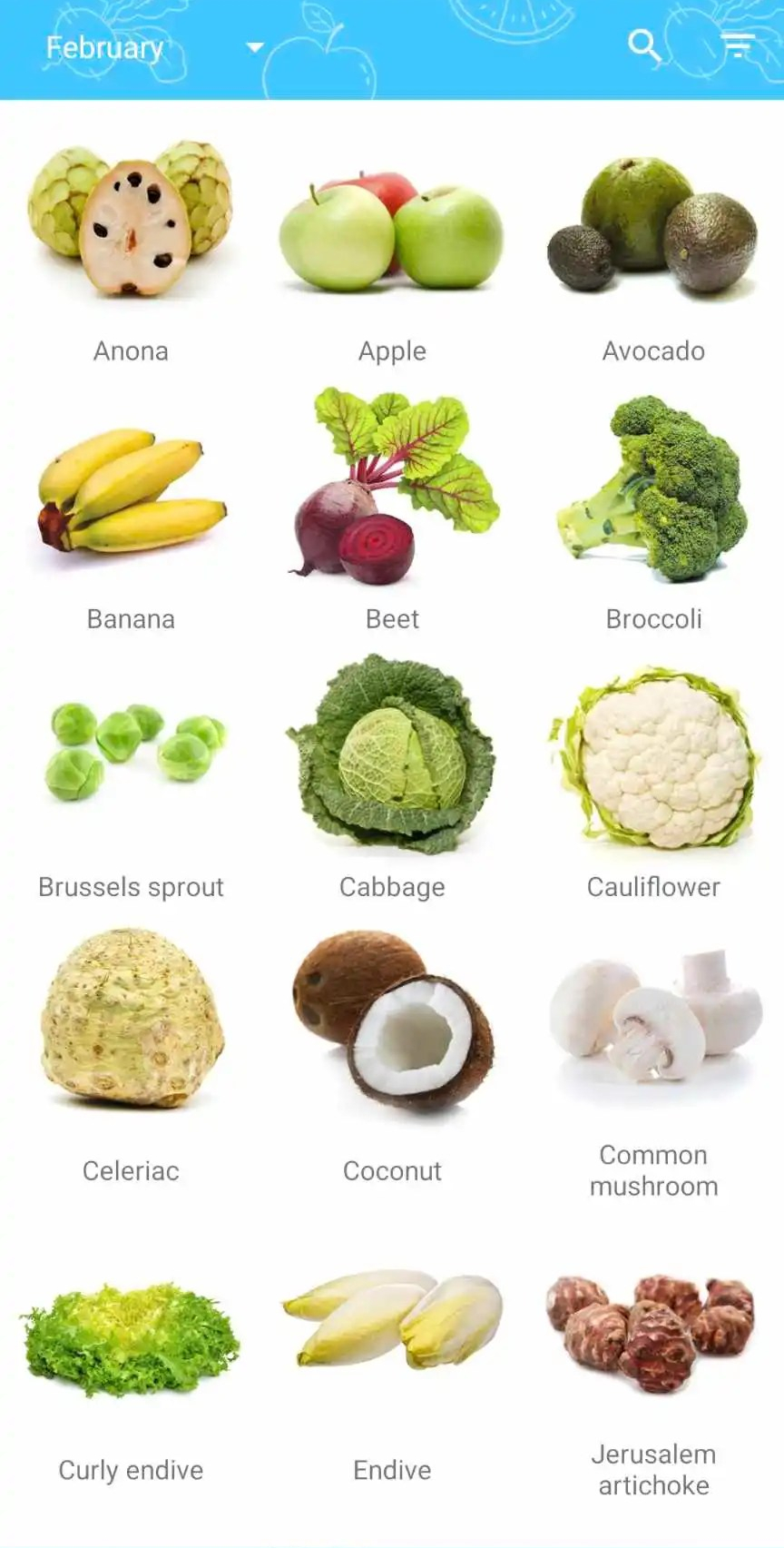
This is where I’ve started using the Season app – food seasonality at the touch of a button. I love this because it’s so simple. It doesn’t try to be everything or constantly add new features/complications like other apps. You open it up, it tells you what’s in season that month. Job done.
However, it should really filter by the country you’re in, which it doesn’t currently do. I believe the developer is French though, so selfishly we should still be able to use it as a close guide in the UK.
5. Earth Hero x HabitNow
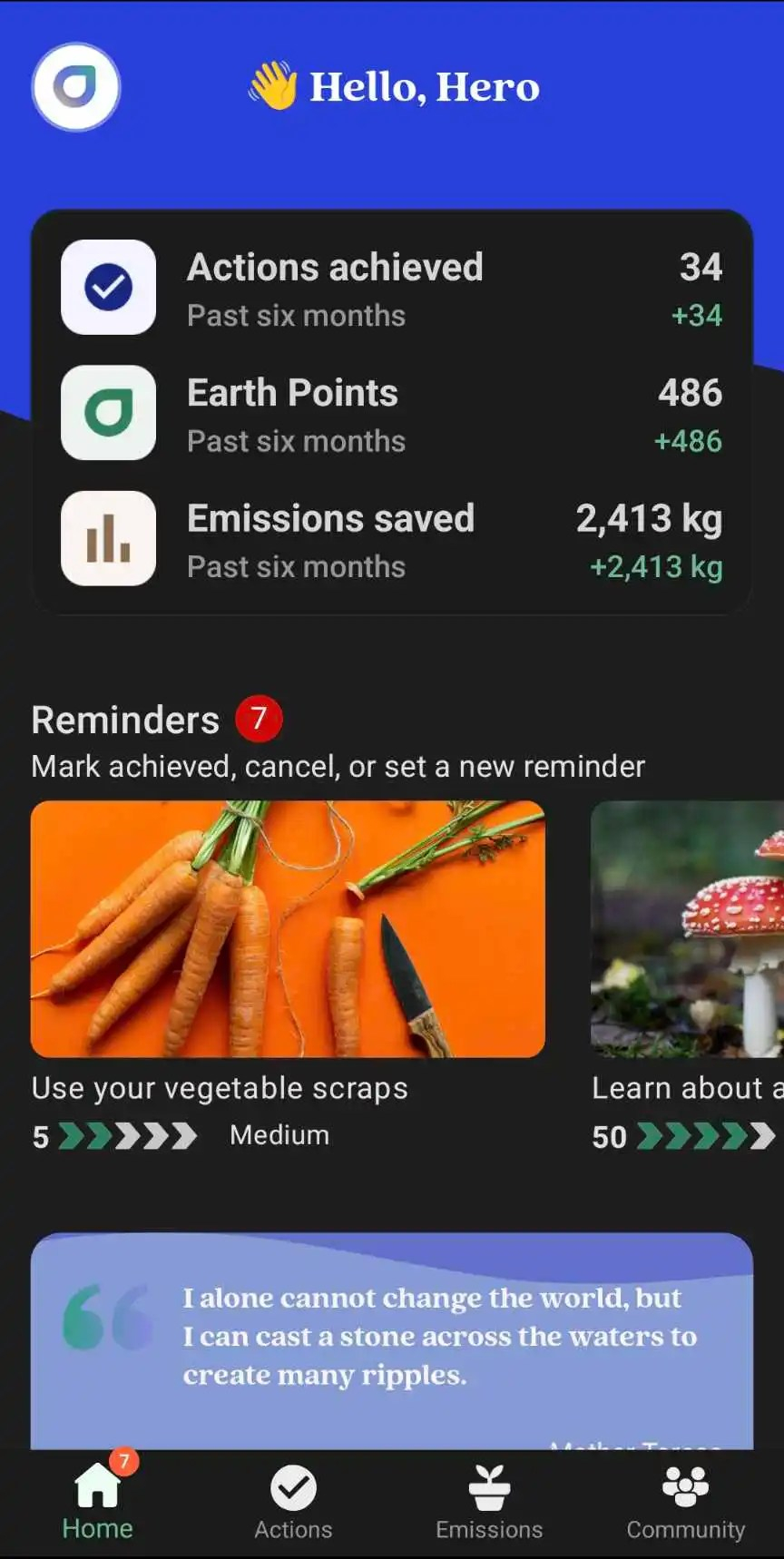
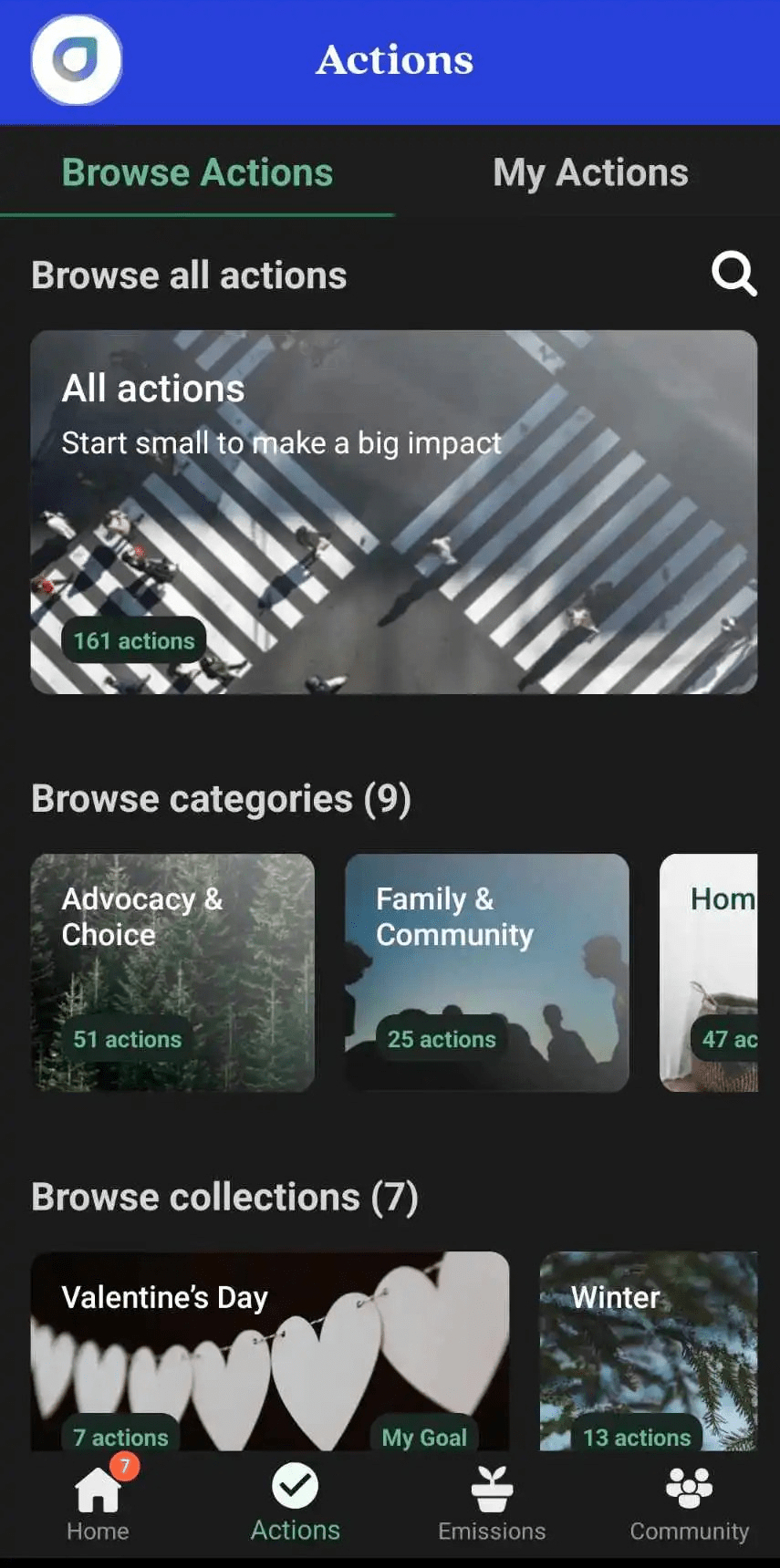
Earth Hero is nowhere near as good as it could be, but it’s a step in the right direction – figure out your personal carbon footprint, then browse the list of actions to find ways to reduce it. You can also learn more about the problems your actions would counteract.
This list is extensive – including some actions I’d not thought of, like supporting soil biodiversity, but also some dumb ones like ‘get walkie-talkies with friends’ (yes, because all my friends live within a three-mile, obstruction-free radius). And some ‘actions’ are ongoing things like ‘recognise greenwashing’. Not sure how you can make this quantifiable when the app options are essentially ‘yes I have completed this action’.
The carbon footprint calculations also seem slightly off (there’s no way I waste more than the average Brit as an eco-worrier) and some of the fields were straight up broken, so don’t take it as gospel.
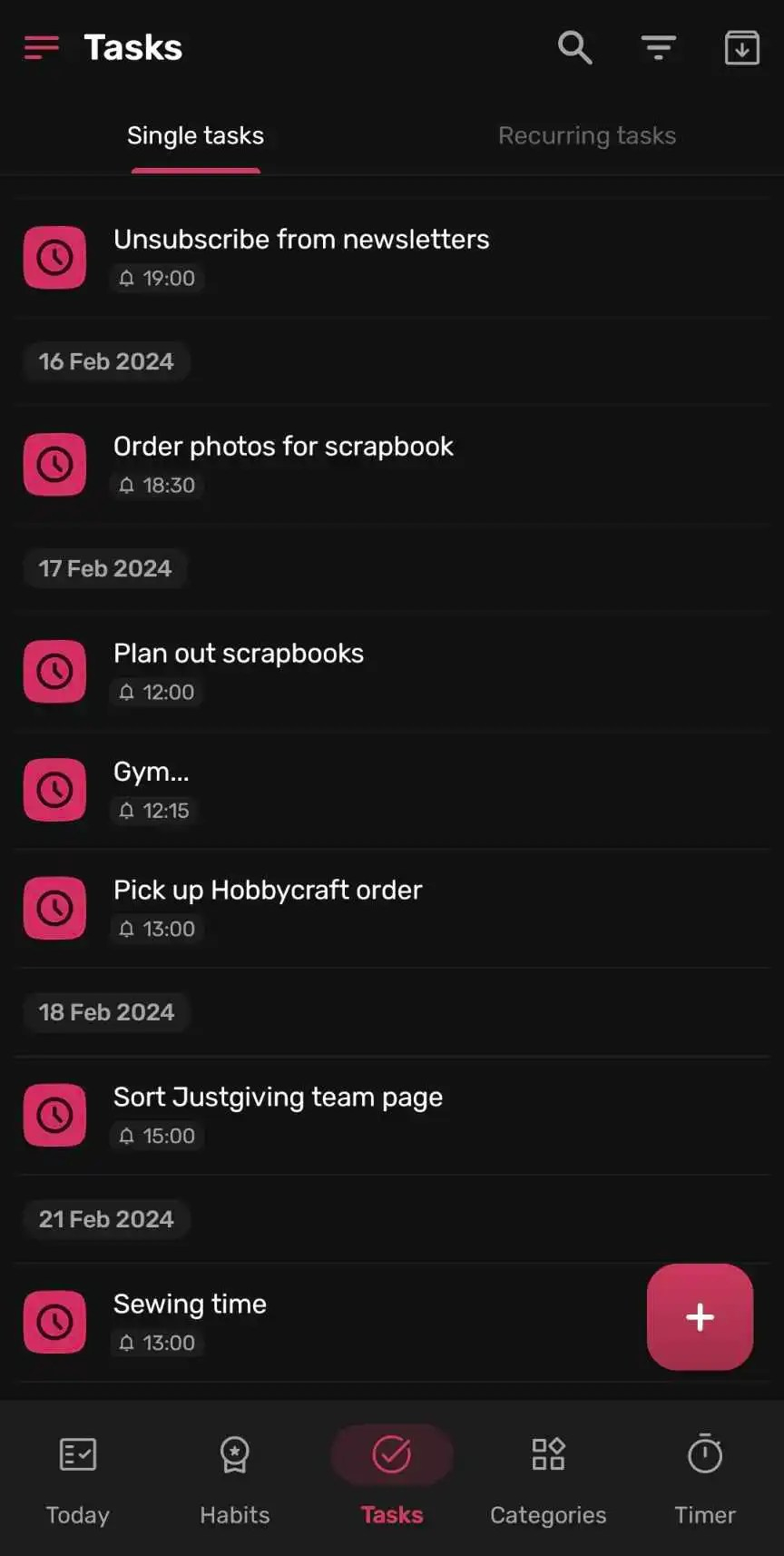
Despite these issues though, it’s a good idea generator, and when paired with a to-do list or habit app like HabitNow, it can prompt you to take more action. Things like unsubscribing from newsletters, emailing your MP, or reading up on a specific sustainability topic can be a random evening task you spend thirty minutes on, to slowly bring down your carbon footprint and do what you can in your bubble to right the world.
6. AllTrails
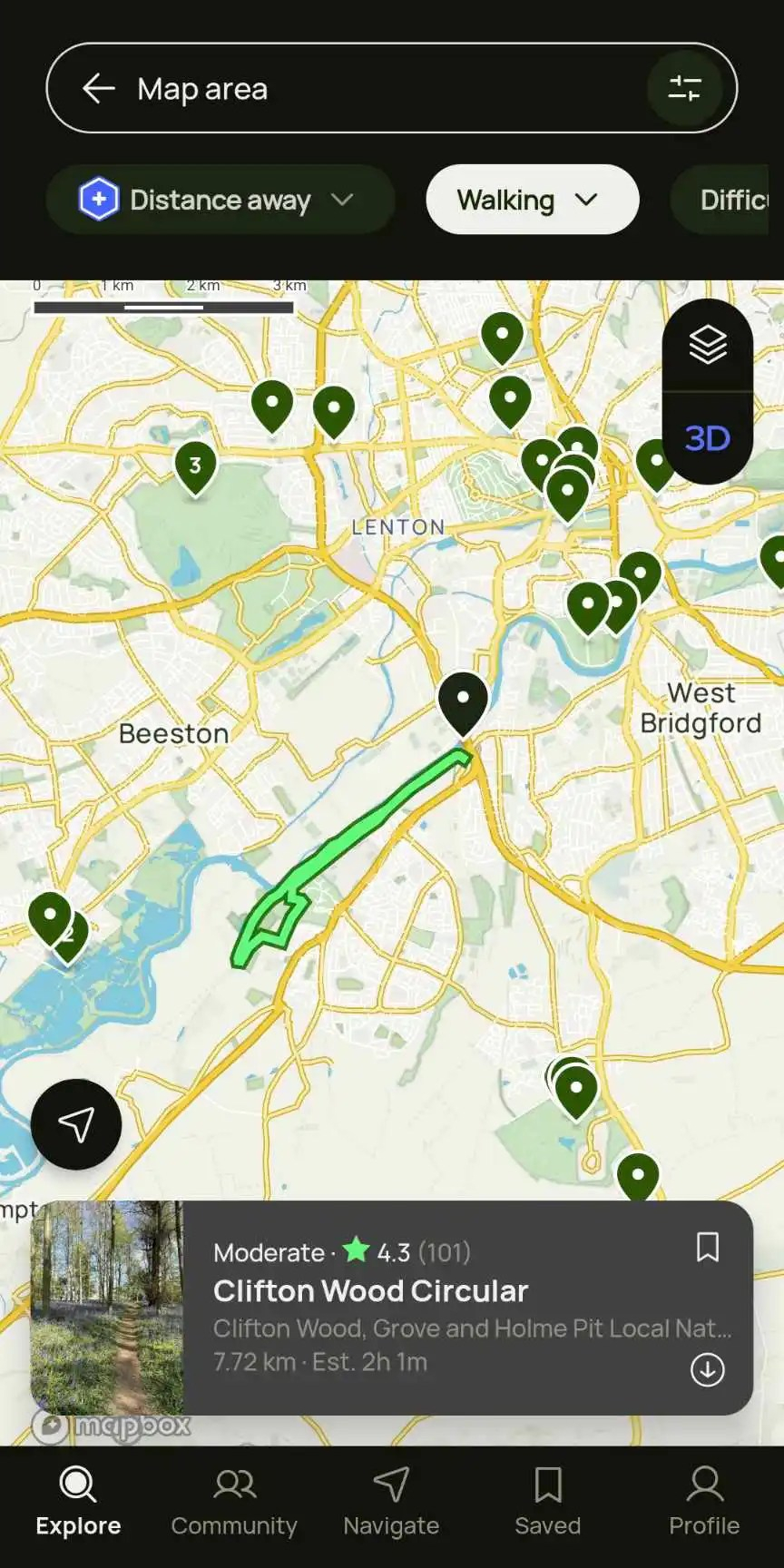
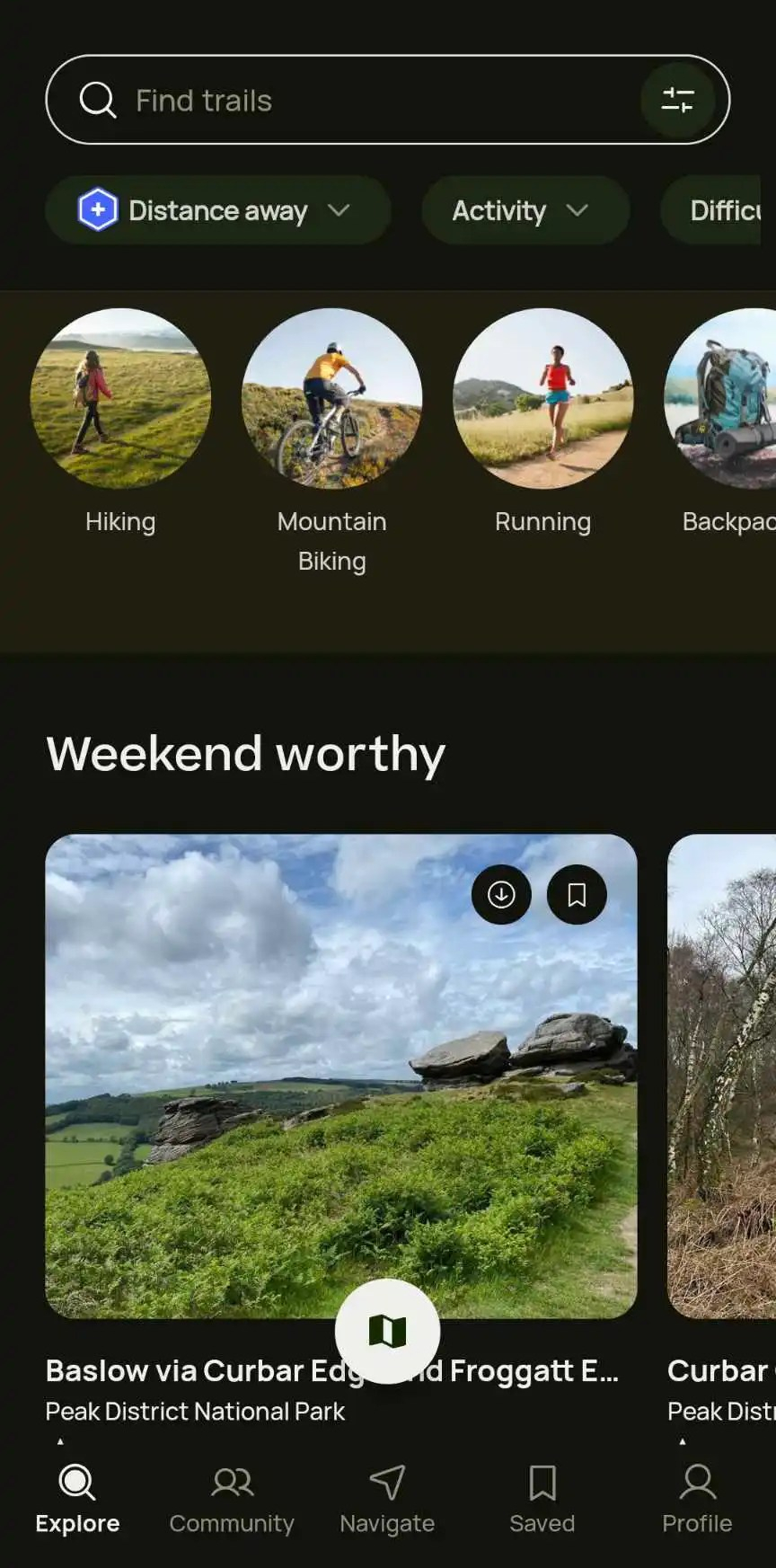
Want more nature time? The AllTrails app is ideal for finding routes in areas you fancy walking, biking, hiking, and running in, or even bird watching, camping and more. Even better, it can show routes locally to you that you may never have even known about. It can also be a lifeline if you find yourself a bit lost on a route.
The free version of the app is all you really need. It tells you the expected duration and distance of a walk, and then updates in real time as you go. You can also download routes in the likely event you wander into an internet-free zone.
You can track your pace, time, distance, and elevation gain in the Navigate feature and get monthly and yearly stats on this data. There’s also community section where you can see photos from other users, and ask them questions about their route in the comments. You can add trails to saved lists too.
I quite enjoy the freedom of exploring wherever your fancy takes me, but I use the app to find new walks I didn’t know about, or as a guide when I inevitably get lost and hungry.

7. Fryd
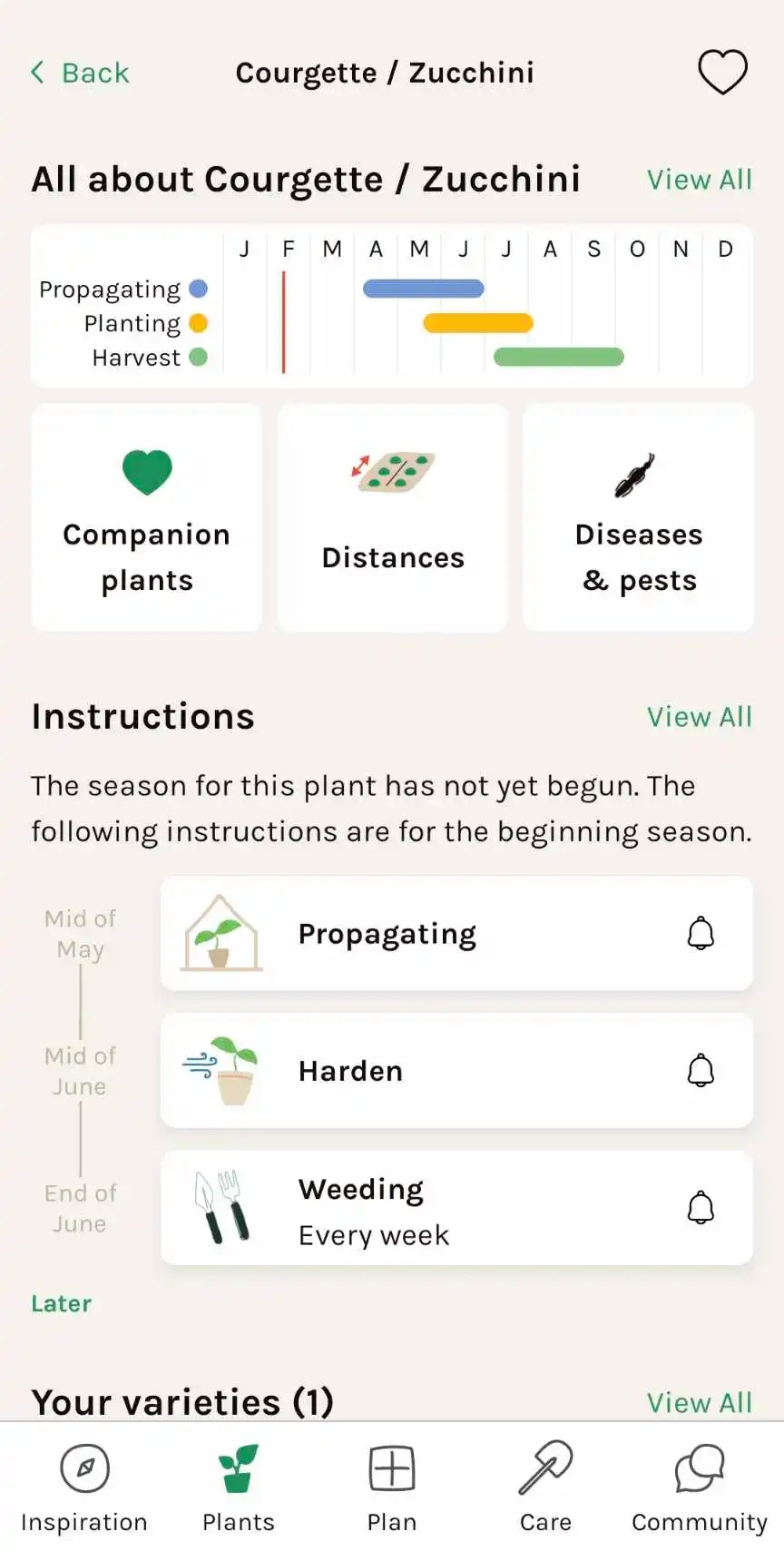
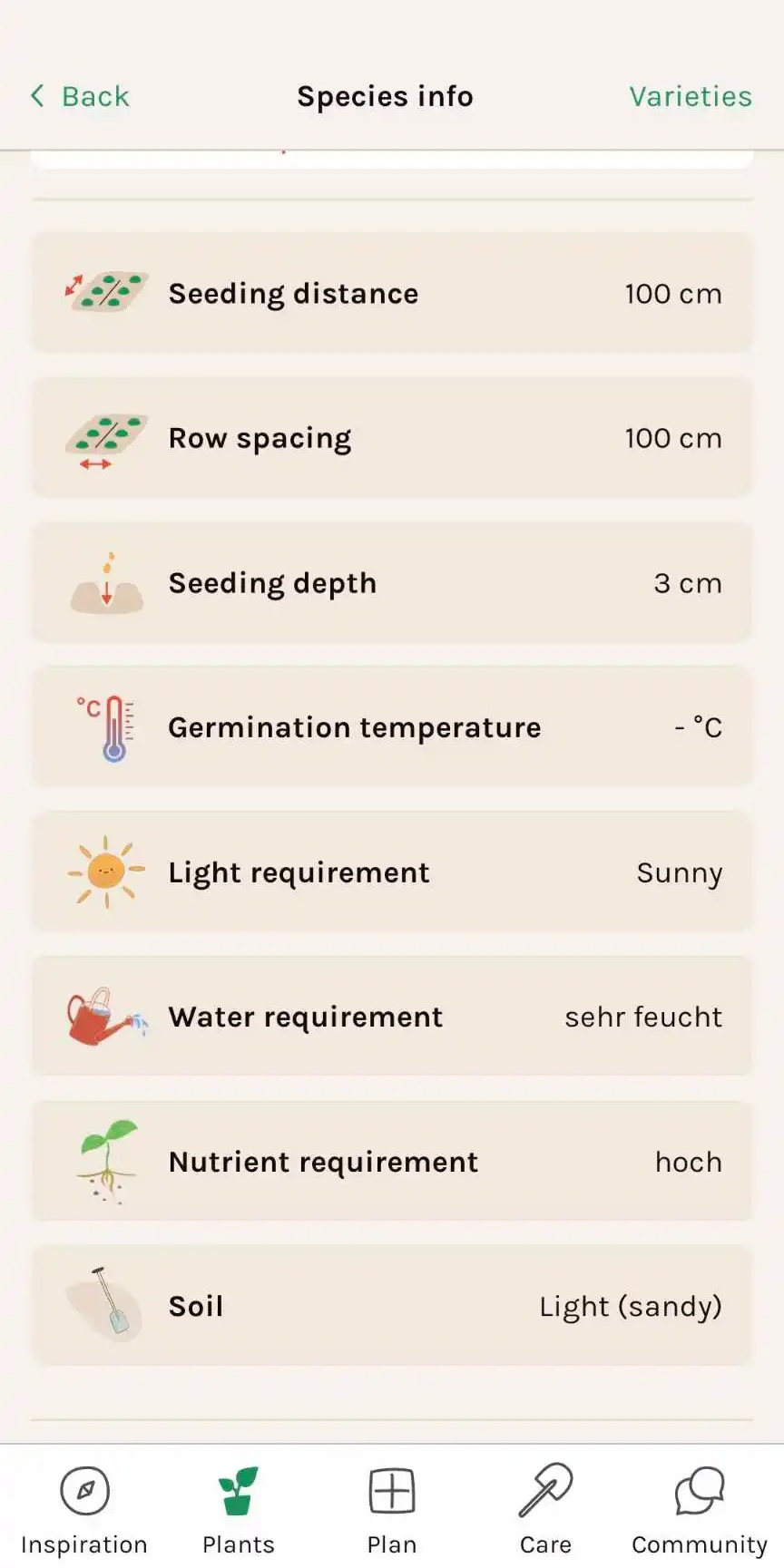
This app is a gardener’s companion. It’s like a complete guide to each plant you’re hoping to grow, from how much light and water it needs to what can happily grow alongside it. It has a rudimentary bed planning feature too, so you can plan based on space required for each plant to be comfortable.
Fryd also offers community areas, blog posts for more information about specific species or gardening activities and a calendar to help you plan what needs doing and when. It does seem a bit random when bits of German come in though (see second pic).
Nevertheless, I’ve only just started using this app, but I’ve also not been gardening for very long, and I love both already.
This is a great way to help maximise your growing space and plan out your garden efficiently. Best hurry though, spring’s just around the corner!

Okay, so technically this was 11 eco friendly apps, but I got carried away with my research and it was hard to leave some of them out! While few to none of these apps have it nailed, they’re all working towards technology that can really benefit us environmentally, either on personal or more national scales. These are apps for good – aids to improve our lives rather than complicating them or purely to gather data for marketing purposes.
Have you used any of these apps or have any other favourites that weren’t mentioned? Let us know in the comments!
 Ecoetry